

















Quick answer: Cats are experts at hiding illness, so the earliest signs of a health problem are almost always behavioural: eating or drinking differently, hiding more, changes in the litter tray, grooming more or less than usual, or a shift in how they interact with you. If your cat’s behaviour changes and stays changed for more than a few days, it’s worth a vet visit even if they seem physically fine.
Cats have a reputation for being low-maintenance, and in some ways that’s true. But it comes with a trap. Because cats don’t complain, owners often assume everything is fine right up until it clearly isn’t. At our Medowie clinic we regularly see cats whose owners say “she’s been a bit quiet lately” and find a condition that’s been developing for months. This article is about reading the signals your cat is giving you, understanding the behaviours that confuse people, and knowing when “a bit quiet” needs a closer look.
Why cats hide illness
Domestic cats are descended from solitary hunters that were also prey for larger animals. Showing weakness was dangerous, so cats evolved to mask pain and illness remarkably well. A cat with a sore mouth will usually keep eating. A cat with early kidney disease just drinks a little more water, which is easy to miss if the bowl is topped up automatically. A cat with arthritis stops jumping onto the bench, and that gets filed under “getting older.”
This is why we lean so heavily on behaviour. Your cat’s routines are the most sensitive health monitor you have, and you’re the only one who knows what their normal looks like.
Behaviour changes that often point to a health issue
Eating and drinking
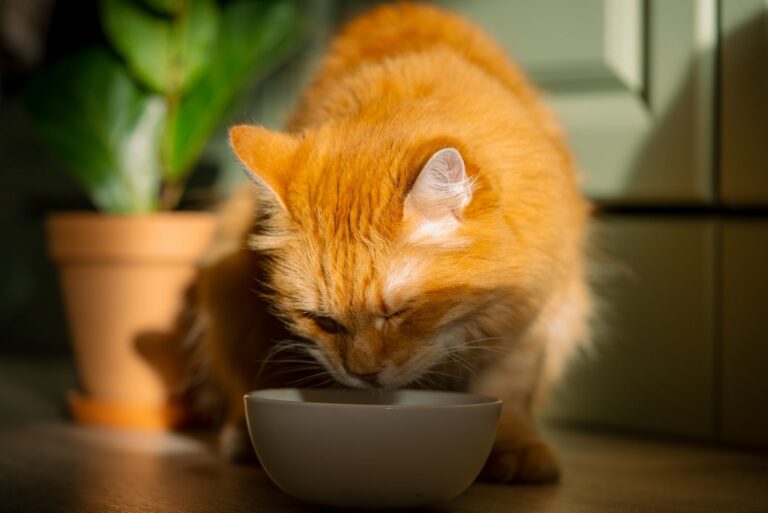
A cat that suddenly eats more, or drinks noticeably more, is worth checking. Increased thirst in a middle-aged or older cat is one of the classic early signs of kidney disease, diabetes or an overactive thyroid. A cat that eats less, chews on one side, drops food or approaches the bowl and walks away may have dental pain, which is extremely common and very treatable.
Litter tray habits
Straining, going more often, going outside the tray, or crying in the tray are signs that need attention the same day, particularly in male cats. A blocked urinary tract is a genuine emergency. More subtle changes, such as larger clumps of urine or softer stools, are worth mentioning at your next visit.
Grooming
Over-grooming (bald patches, often on the belly or inner thighs) can be caused by fleas, allergies, pain or stress. Under-grooming, where the coat becomes greasy, matted or dandruffy, often means a cat is overweight, arthritic or simply not feeling well enough to bother.
Hiding and withdrawal
Every cat likes a quiet spot, but a sociable cat that starts spending the day under the bed is telling you something. Hiding is one of the most reliable signs of pain or illness in cats.
Activity and mobility
Not jumping as high, hesitating before a jump, sleeping more, or being less playful are often put down to age. Very often they’re arthritis, which affects the majority of cats over 10 and responds well to treatment.
Vocalising
A cat that starts yowling, particularly at night, may be in pain, losing hearing or sight, or showing early cognitive changes. In older cats it can also be a sign of high blood pressure or thyroid disease.
Common behaviours that aren’t illness (but still matter)
Not every behaviour you’d rather your cat didn’t do is a medical problem. Scratching furniture, spraying, night-time zoomies and tension between cats in the same household are usually about environment and stress rather than disease. They still deserve attention, because chronic stress in cats contributes to real conditions like cystitis.
A few things that help most cats:
- Vertical space. Shelves, cat trees and window perches let cats feel safe and survey their territory.
- Resources in multiples. In multi-cat homes, the rule of thumb is one litter tray per cat plus one extra, in different locations, and separate feeding spots.
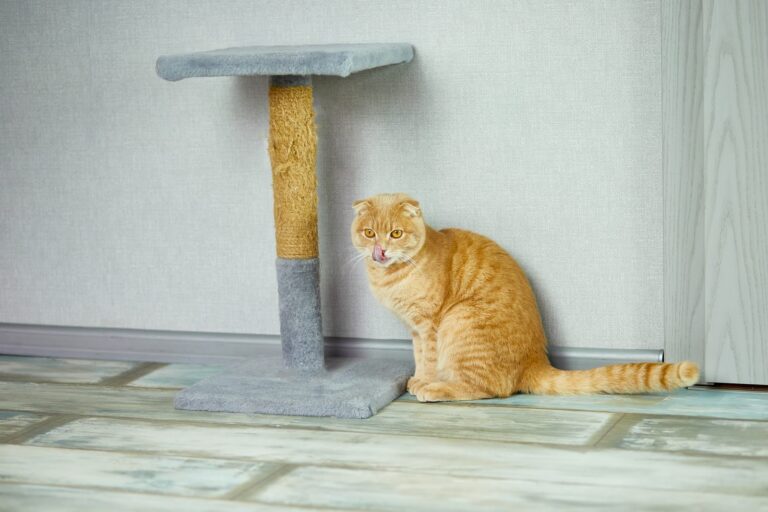
- Scratching outlets. A sturdy post near where they already scratch, in both vertical and horizontal formats.
- Play that mimics hunting. Short sessions with a wand toy, ending with a catch, do more for behaviour than most people expect.
- Predictability. Cats cope poorly with change. Renovations, new pets, new babies and moving house are all common triggers for behavioural issues.
If a behaviour has appeared suddenly, the first step is always ruling out a medical cause. Our behavioural support service can help with what’s left once we’ve done that.
When to see the vet
Book a visit if you notice any of the following:
- Any change in eating, drinking or toileting that lasts more than two or three days
- Straining in the litter tray or crying while toileting (same day, this one)
- Vomiting more than occasionally, or any diarrhoea with blood
- Weight loss, even if appetite seems normal
- Hiding, lethargy or a change in personality
- Bad breath, drooling or difficulty eating
- Limping, stiffness or reluctance to jump
- Breathing that looks fast, laboured or open-mouthed. Cats should never pant like dogs; this is an emergency.
If you’re not sure whether something warrants a visit, call us on (02) 4982 9899 and talk it through. We’d always rather have that conversation than see a cat a month later than we should have.
The role of regular check-ups
Because so much in cats is subtle, an annual health check (six-monthly for cats over 10) is the single most useful thing you can do. We weigh them, check their teeth, feel for changes in the kidneys and thyroid, check blood pressure in older cats, and compare everything to last time. Small shifts that mean nothing in isolation become meaningful when there’s a record to compare against. We cover this in more detail in why annual health checks are important for cats.

Cat health and behaviour FAQs
Why is my cat suddenly hiding all the time?
Hiding is one of the most common signs of pain or illness in cats. It can also follow a stressful change at home. If it lasts more than a day or two, or comes with reduced appetite, book a check.
Is my cat drinking too much water?
A typical cat drinks roughly 50ml per kilogram of body weight per day, including water from food. If you’re refilling the bowl noticeably more often, or your cat has started drinking from taps and puddles, have them checked. Increased thirst is an early sign of several common conditions.
Why has my cat started going outside the litter tray?
First rule out a medical cause such as a urinary tract infection, cystitis, arthritis (which makes high-sided trays hard to use) or constipation. If the vet gives the all-clear, look at tray cleanliness, location, litter type and stress in the household.
Do indoor cats still get sick?
Yes. Indoor cats are protected from traffic, fights and some infectious diseases, but they’re just as prone to dental disease, kidney disease, obesity, arthritis and thyroid problems. They also still need vaccination and parasite prevention.
How can I tell if my cat is in pain?
Look for hiding, reduced grooming, a hunched posture, squinting or a tense face, reluctance to jump, reduced appetite, irritability when touched, and changes in sleeping position. Cats rarely cry out from pain, so these quieter signs are what to watch for.
Keep reading
- Why Annual Health Checks Are Important for Cats
- How Regular Vet Visits Help Your Dog Stay Healthy
- What to Expect During Your Puppy’s First Vet Visit
Noticed something different about your cat? Our cat care team at Noah’s Ark uses calm, low-stress handling and has cared for the cats of Medowie and Port Stephens since 2002. Book a visit or call (02) 4982 9899.