
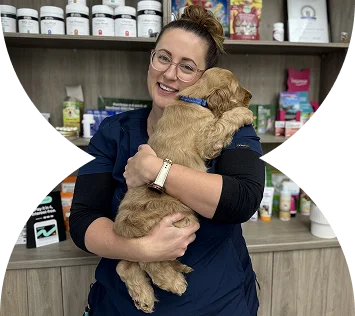












“My dogs Ollie and Bruce are always very anxious and excited at Noah’s Ark veterinary and the staff are always very patient and caring towards them.”

A quick, permanent ID that helps bring your pet home fast if they ever slip the leash or bolt out the gate.

Tailored vaccination schedules built around your pet's lifestyle, not a one-size-fits-all protocol.

Thorough wellness exams with blood pressure monitoring to catch issues early, long before they become a concern.

Chiropractic, hydrotherapy, acupuncture and more through our sister clinic, Move Unleashed.

Full in-house blood work, urinalysis and faecal testing for faster answers when every minute matters.

State-of-the-art digital imaging on-site, so you never have to travel for answers.

Itchy skin, ear issues and allergies handled with a proper investigation, not just a quick fix.

Gentle, compassionate end-of-life care, guided by our ethical euthanasia policy and complete respect for your family.
Practical, empathetic guidance for anxious, reactive or tricky pets, with no forceful handling ever.
Parasite prevention tailored to your pet's coat, lifestyle and local risk levels.
Quick, low-stress trims for pets who need a hand keeping those claws in check.
Independent diet advice built around your individual pet, not a brand we're trying to push.
Free dental checks so we can spot plaque, tartar and gum issues before they turn painful.
Worming advice and products matched to your pet's age, breed and day-to-day risk.
Diagnosis, treatment planning and ongoing care, supported by our specialist referral network at SASH.
Professional dental cleans, extractions and oral surgery, with pre-anaesthetic bloods always included.
Individualised desexing advice based on your pet's breed, size and health, not a set age.
Bone, joint and ligament surgery, with a visiting professional veterinary surgeon for more complex cases.
Lump removals, wound repairs and abdominal surgery, all with modern monitoring systems and pain control.
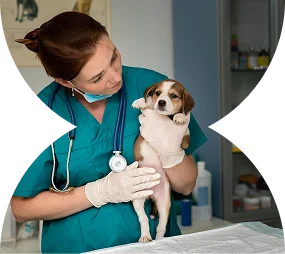
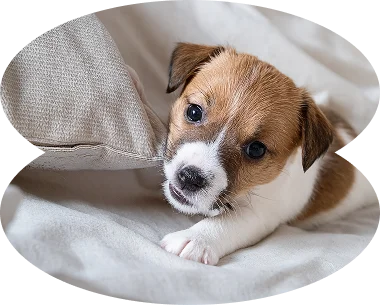
Your puppy’s first appointment covers vaccinations, health checks and helpful advice to start their life on the right paw.
Routine veterinary visits help detect problems early while keeping vaccinations, dental health and nutrition on track.
Birds and exotic pets have unique health needs that benefit from specialised veterinary care and preventative check-ups.
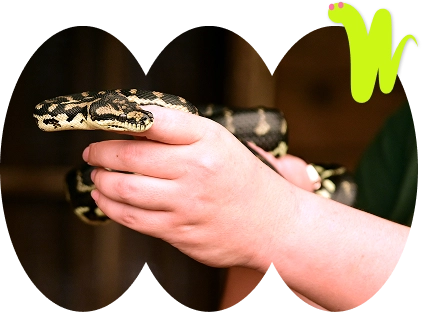
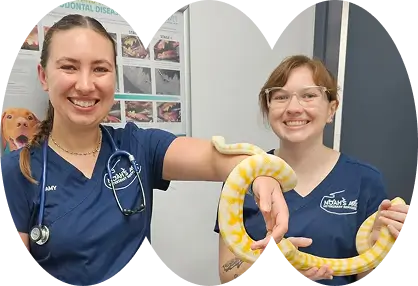
Pet snakes require specialised environments, careful feeding and gentle handling to stay healthy and settled throughout
their lives.

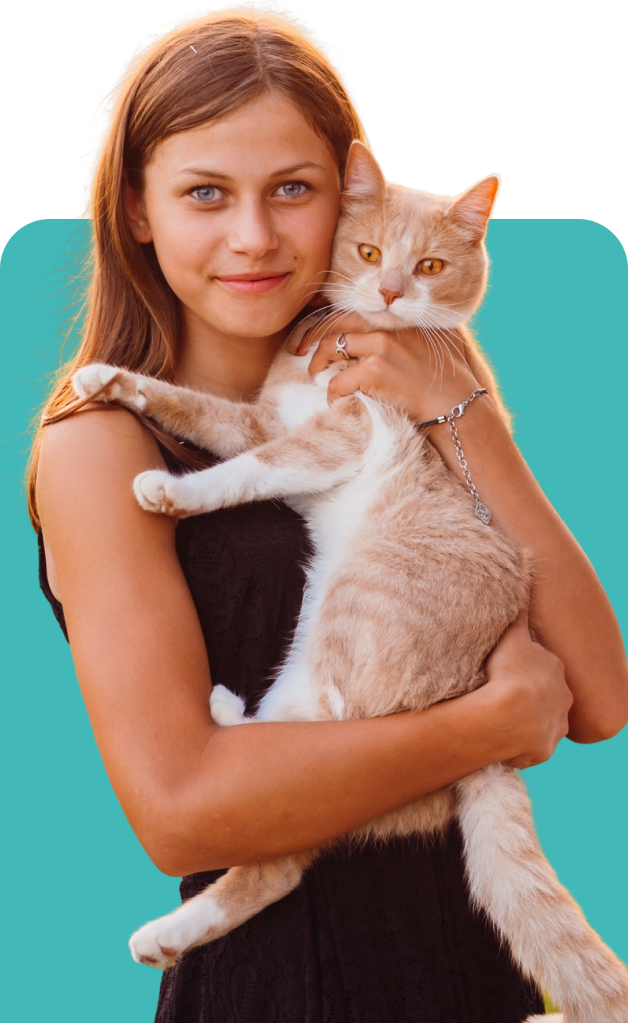
From kittens to seniors, every visit is tailored to your cat's comfort and stress levels.

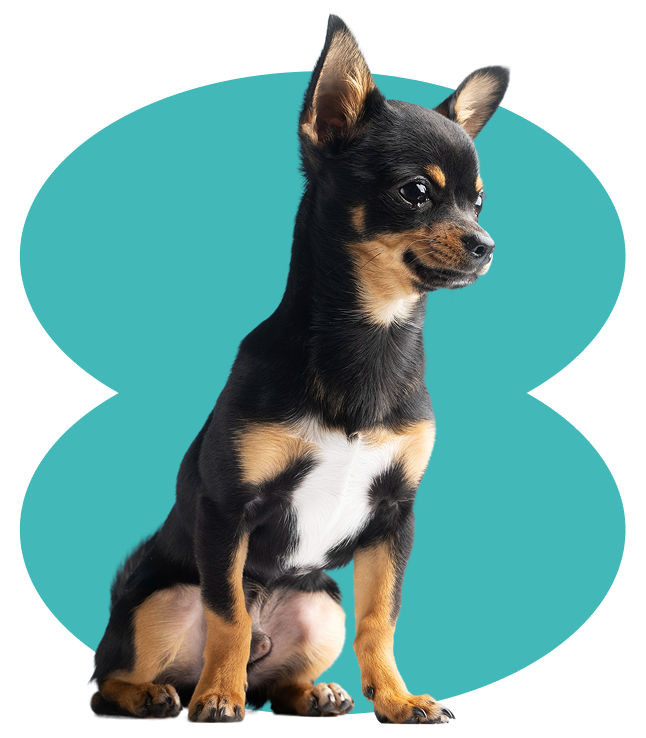
Wellness, prevention, surgery and everything in between for dogs of every age and breed.
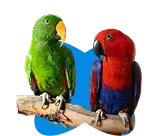
Reptiles, amphibians, fish and birds all get genuine, experienced care from a team that loves the unusual.

Gentle, expert care for rabbits, guinea pigs, rats, mice and other small pets with big personalities.

Practical articles and tips from our team to help you keep a healthier, happier pet.

Meet the vets, nurses and support team who'll treat your pet like family.

Take a look behind the scenes at our Medowie Shopping Village practice.
A CONSIDERED HEALTH DECISION, NOT A TICK-BOX PROCEDURE
Choosing when to desex your pet, or whether to do it at all, is one of the bigger decisions you’ll make in your pet’s first year. There’s no single right answer that works for every dog, every cat or every household, and we don’t pretend otherwise.
We take the time to talk through your pet’s breed, size, sex and lifestyle before recommending an approach that fits them. Every veterinary desexing in Medowie includes pre-anaesthetic blood work at no extra cost, IV fluid therapy, a dedicated nurse with your pet throughout the procedure, and a post-operative check-up afterwards. We’ve been having this conversation with Port Stephens families since 2002.
BEYOND PREVENTING LITTERS
For most pet owners, desexing comes up early, usually somewhere between the second and third vaccination visit. The conversation often starts with “when should we book it in?”, but it’s worth understanding why it matters in the first place. Desexing offers real, evidence-based health benefits beyond just preventing unwanted litters.
Like any decision involving surgery, it’s one to make with the right information. The conversation should start with a vet who knows your pet, not a default age that gets applied to every animal that walks through the door.
TIMING MATTERS
For a long time, six months was treated as a one-size-fits-all desexing age. The picture has shifted in both directions since then. Many kittens are now desexed earlier, and many larger dogs benefit from waiting a little longer. Rather than apply a default age to your pet, we’ll look at their breed, size, sex and circumstances and recommend the right timing for them. It’s a conversation, not a rule.
For most small and medium breeds, six months remains a sensible window for desexing. By this age, growth plates are well on their way to closing and the procedure carries low risk. We’ll still talk through your dog’s individual circumstances before booking, but for breeds in this size range, the traditional timing usually holds up.
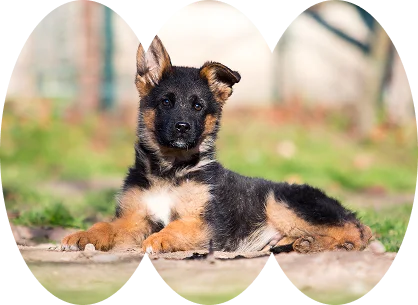
Growing veterinary research suggests that desexing very large breeds before six months can increase the risk of orthopaedic issues later in life, particularly joint disease and cruciate ligament problems. For breeds like labradors, golden retrievers, German shepherds and giant breeds, we often recommend waiting a little longer. The right age depends on your individual dog, and we’ll talk it through properly before you book.
For most kittens, desexing is recommended before they reach sexual maturity, which can happen as early as four months. Many vets and shelters desex healthy kittens earlier than this, often once they reach about 1 kg in body weight. If your cat is older and hasn’t been desexed yet, that’s absolutely fine to talk through with us too. We’re not here to make you feel rushed or judged, just to help you make the right call for your cat.
If we recommend waiting on a later desexing, we’ll also talk you through how to manage your pet in the lead-up. That includes keeping a female dog separated from intact males during heat cycles, what to expect behaviourally, and what to watch for. You won’t be left to figure it out on your own.
WHAT TO EXPECT ON THE DAY
We know putting a pet under anaesthetic for the first time can feel daunting, especially when they’re still small and playful. Here’s exactly what our veterinary desexing in Medowie looks like from drop-off to pick-up.
Before any anaesthetic, we run pre-anaesthetic blood work. It gives us a clear picture of your pet’s liver, kidney and overall organ function on the day, so we can adjust the protocol if anything looks off. This is included with every desexing at no additional cost. Not optional, not an upsell, just how we do it.
Every desexing includes IV fluid therapy as standard. We place an intravenous line and run fluids throughout the anaesthetic, which helps maintain healthy blood pressure, supports circulation to your pet’s vital organs, and keeps them well hydrated as they wake up. It is part of the standard protocol, included at no additional cost, not an optional extra.
On admission, your pet has a full health check. We check heart, lungs, temperature, hydration and anything else that could affect anaesthesia. If we have any concerns, we’ll talk to you before going ahead, not after.
Once we’re sure your pet is safe to go under, we induce a full general anaesthetic. A dedicated surgical team member stays with your pet throughout, monitoring heart rate, breathing, oxygen levels, temperature and depth of anaesthesia from induction to recovery. Pain relief is administered as part of the protocol so your pet stays comfortable.
For females (spey), we remove the ovaries and uterus. For males (castration), we remove the testicles. The surgical approach is adjusted to suit the size, breed and age of your pet. A kitten castration is a very different procedure from a large-breed spey, and we treat them as such.
After surgery, your pet recovers in a quiet, monitored space in our hospital until they’re awake, warm and comfortable. We won’t send them home until we’re happy with how they’re recovering. Most desexings are day stays, with drop-off in the morning and pick-up that afternoon.
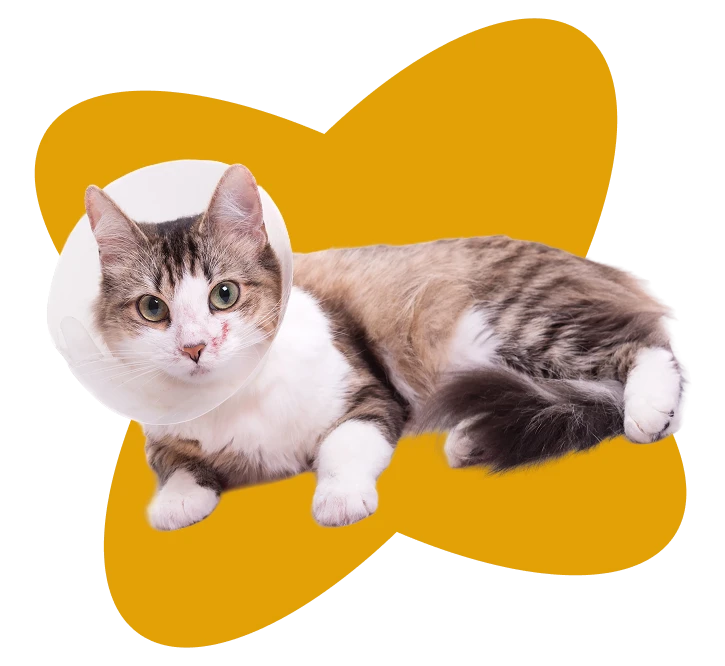
At pick-up, we’ll walk you through the surgery, the aftercare plan and pain medication. You’ll go home with clear written instructions, a recovery cone or suit if needed, and a follow-up check-up booked in. We’re a phone call away if anything looks off in the days afterwards.

SETTING THE RECORD STRAIGHT
Desexing has been around long enough to attract some persistent myths, and we hear them often. Here are the ones worth clearing up before you make your decision.
There's no medical benefit to letting a female pet have a litter before desexing. In fact, desexing before the first heat significantly reduces the lifetime risk of mammary tumours. The "one litter first" idea is sentimental, not scientific, and we'd gently steer you away from it.
Desexing affects hormonally driven behaviours like roaming, marking and same-sex aggression, and that's often a good thing. It doesn't change the things that make your pet who they are. Their playfulness, intelligence, affection and quirks aren't hormone-driven, and they don't get switched off by surgery.
Desexed pets do have slightly lower energy requirements than intact pets, so calorie intake usually needs adjusting. But weight gain isn't automatic. It's diet and exercise that drive it. We'll talk through portion sizes and exercise at the post-op check-up, and link you up with nutrition advice if needed.
Modern veterinary anaesthetic protocols are significantly safer than they used to be, even in young pets. Combined with pre-anaesthetic blood work, IV fluid therapy, continuous monitoring and tailored drug dosing, the risk is genuinely low for healthy patients. We'd rather have the safety conversation honestly than dismiss the question.
PICK-UP TO FULL RECOVERY
Most pets bounce back from desexing surprisingly well, and we’ll send you home with everything you need to support them through the first week or two. Here’s what to expect.
Your pet will be a little groggy when you pick them up, and that’s normal. Offer water in small amounts, a light meal that evening if they’re interested, and keep them quiet and warm overnight. Sleep is the best thing for the first night.
The surgical site needs to be kept clean and dry, and your pet absolutely cannot lick or chew at it (it’s the most common cause of complications). The cone or recovery suit stays on for the full healing period (usually 10 to 14 days), even when it’s inconvenient. We promise it won’t ruin their life.
No running, jumping, climbing, swimming or rough play for around 10 to 14 days. Toilet walks on lead only, and no time off lead until we’ve checked the wound and given the all-clear. It can feel like a lot, especially with energetic young dogs, but it really matters for proper healing.
A follow-up appointment is included with every desexing at our clinic, usually around the 10 to 14 day mark. We check the wound, remove sutures if needed, talk through how things have been going at home, and clear your pet to return to normal activity. If anything has come up, this is where we sort it.
PERSONALISED, SAFE, SUPPORTIVE
Our veterinary desexing in Medowie at our clinic is built around three principles: take the time to make the right call for your individual pet, keep them safe through the procedure itself, and support them properly through recovery. Every desexing includes pre-anaesthetic blood work at no extra cost, IV fluid therapy, a dedicated nurse monitoring anaesthesia throughout, and a post-operative check-up.
We use the FAS (Fear, Anxiety and Stress) framework to keep handling gentle from drop-off through to recovery, and we’ll always sit down with you afterwards to walk through how the surgery went. For cost questions, we discuss expected pricing up front so there are no surprises at pick-up, and flexible payment options including VetPay, Afterpay, Zip Pay and GapOnly can help spread the cost alongside other new-pet expenses like vaccinations and microchipping. Pet desexing has been part of what we do at Noah’s Ark Veterinary Services for families across Port Stephens since 2002.
Here’s what Medowie and Port Stephens pet families have to say about our team.
“My dogs Ollie and Bruce are always very anxious and excited at Noah’s Ark veterinary and the staff are always very patient and caring towards them.”
Leonie Styles
“My partner and I took our cats in for their yearly vaccines and health check. The team here is so kind, professional and helpful. They make you feel like family and look after your pets like they are one of their own.”
Jimmy D
“Great experience at Noah’s Ark Veterinary services. First time taking my dog Maggie. Excellent customer service and help me with Maggie as she can be a nervous dog around new people and other dogs. Definitely recommend.”
M T
“Had an excellent experience with Noah’s Ark. Called to make an appointment for a new pup and was seen that day. Consultation was followed up with a personalised message to see if everything was fine post visit. Definitely in safe hands with the team, and look forward to future visits. Highly recommend Noah’s Ark.”
Jordan ‘JJ’ Staltari
“Highly recommend Noah’s Ark Vet. I take my personal pooches to them for all their needs. Friendly staff, excellent service and most importantly, my dogs love going there.”
Lucretia Sunderland
A few of the most common questions we hear about pet desexing in Medowie, dog desexing in Medowie and cat desexing in Medowie. Got one that’s not here? Give us a call or send a message.

Desexing (also called spey for females or neuter and castration for males) is a surgical procedure that permanently prevents a pet from breeding. For female pets, this involves removing the ovaries and uterus. For male pets, it involves removing the testicles. It's one of the most commonly performed veterinary surgical procedures, and it offers a range of health and welfare benefits beyond preventing unwanted litters.

Desexing offers several evidence-based health benefits, including:

It depends on breed and size. For small and medium-sized dogs, six months is usually a sensible window. For larger and giant breeds, current veterinary evidence supports waiting longer to support joint and skeletal development. Book a desexing consultation and we'll give you a recommendation tailored to your specific dog, not a one-size-fits-all rule.

Most kittens are desexed before they reach sexual maturity, which can happen as early as four months of age. Many vets and shelters desex healthy kittens earlier than this, once they reach roughly 1 kg in body weight, and this approach is supported by both the Australian Veterinary Association and RSPCA Australia. The right timing depends on your individual kitten's weight, health and household situation, and we'll talk you through our recommendation at the desexing consultation.

NSW has registration rules for cats under the Companion Animals Act 1998, including reduced registration fees for cats desexed before four months of age. If your cat is older or hasn't been desexed, you can still register them through your local council, and desexing later in life is just as valid a decision. We're happy to talk through any of this at your appointment without pressure, the right time to desex is the right time for you and your cat.

Not at all. We desex pets at all life stages, from young puppies and kittens through to adult and senior pets. Older pets may need a more thorough pre-anaesthetic work-up to make sure they're in good shape for surgery, and we'll talk through any additional considerations at the consultation. There's no judgement here, every pet's story is different and we'll meet you where you are.

Yes. For healthy pets, desexing is one of the most routine surgical procedures we perform, and modern anaesthetic protocols are significantly safer than they used to be. Pre-anaesthetic blood work is included with every desexing at no additional cost, IV fluid therapy supports them during anaesthesia, a dedicated surgical nurse monitors your pet throughout, and pain relief is administered as part of the standard protocol. Risk is never zero with any anaesthetic procedure, but for healthy patients it's genuinely low.

Cost varies based on the size, breed, sex and age of your dog. A small male castration is significantly different in scope from a large-breed spey, and the pricing reflects that. We discuss expected pricing up front when you book, and flexible payment options including VetPay, Afterpay, Zip Pay and GapOnly are available to help spread the cost.

Cat desexing is generally less than dog desexing because of the difference in size and surgical complexity. Female (spey) is typically a little more than male (castration) due to the abdominal procedure involved. We'll give you exact pricing at the desexing consultation, and the same flexible payment options are available.

Most desexings are day stays. Your pet is dropped off in the morning, the surgery itself usually takes 30 to 60 minutes depending on size and sex, and they go home that afternoon once they're awake, warm and comfortable. Recovery before pick-up usually takes a couple of hours.

Most pets bounce back within a few days, but proper healing takes 10 to 14 days. During that period, no running, jumping, swimming or rough play, the recovery cone stays on, and a post-op check-up is included to make sure everything has healed properly.

Yes. We'll ask you to withhold food from the evening before the procedure (water is usually fine until the morning), so your pet's stomach is empty for the anaesthetic. We'll confirm exact fasting instructions when you book.

Desexing itself can't be done during a home visit, because we need our full surgical facilities, anaesthetic monitoring equipment and sterile environment here at the clinic. But the pre-desexing consultation can be done during a home visit appointment if that's easier for an anxious pet, and we can plan the surgical visit from there.
Whether you’ve just brought home a new puppy or kitten, you’re weighing up the right timing for a larger-breed dog, or you’ve been told to book a desexing somewhere else and want a second opinion, the Noah’s Ark Veterinary Services Medowie team is here to help. The conversation starts with a desexing consultation. No pressure, no upsell, just honest, evidence-based guidance for your pet.