










WHEN MOBILITY MATTERS

Pet Fracture Repair & Orthopaedic Surgery in Medowie

Watching your pet limp, struggle to get up, or favour one leg can be heartbreaking, especially when you’re not sure what’s wrong or what comes next. Whether your pet has been injured, diagnosed with a cruciate ligament tear, or has slowly developed mobility issues over time, the right orthopaedic care can make a real difference to their comfort and quality of life.

Our pet orthopaedic surgery in Medowie brings together a fully equipped surgical suite, a visiting professional veterinary surgeon for complex cases, and structured rehabilitation through Move Unleashed, so your pet can receive complete care close to home. We’ve been supporting families through these decisions across Port Stephens since 2002.

SIGNS WORTH PAYING ATTENTION TO

When To Talk To A Vet About Your Pet's Mobility

Pets are often stoic about pain. They’ll keep playing, climbing or trying to keep up, even when something hurts, which makes it easy to second-guess whether what you’re noticing is serious enough to come in. As a general rule, the answer is yes, and earlier assessment usually means more options.

Common signs that an orthopaedic check is worth booking:

  • Limping, lameness or favouring one leg
  • Stiffness, especially after rest or first thing in the morning
  • Difficulty getting up, climbing stairs or jumping into the car
  • Reluctance to walk, run or play
  • Sudden inability to bear weight on a limb, often after an injury
  • Swelling around a joint
  • Audible clicking or popping in joints
  • Changes in behaviour like irritability, withdrawal or reduced interest in activity

If something feels off, it usually is. A physical examination and health check is the right first step, and we’ll talk through what we find and what to do next.

WHAT WE TREAT

Common Pet Orthopaedic Conditions We Treat

Orthopaedic care covers a wide range of conditions affecting your pet’s bones, joints, ligaments and tendons. Some come on suddenly through injury, others develop gradually with age, breed predisposition or wear and tear. Here are the conditions we see most often.

Cruciate Ligament Disease

The cranial cruciate ligament stabilises the knee joint, and rupture or degeneration is one of the most common orthopaedic conditions in dogs. It causes pain, lameness and joint instability, and usually needs surgical repair to restore proper function and prevent secondary arthritis. Larger breeds are particularly prone, but it can affect any size dog.

Fractures

Broken bones, usually from trauma like a fall, road accident or rough play, often need surgical repair to heal properly. Pet bone surgery in Medowie for fractures may involve plates, screws, pins or external fixation, depending on the type and location of the break. Earlier intervention generally means a better long-term outcome.

Luxating Patella

A luxating patella is when the kneecap slips out of its normal groove. It’s more common in small and toy breeds but can affect larger dogs too. Mild cases may be managed without surgery, but more severe cases benefit from surgical correction to relieve pain and restore proper joint function.

Joint Disease And Arthritis

Osteoarthritis and degenerative joint disease are common in older pets and large breeds. Not every case is surgical, but some benefit from surgical intervention alongside ongoing medical management, pain control and rehabilitation. We’ll discuss what’s most appropriate for your pet based on their stage and overall health.

Hip Dysplasia

Hip dysplasia is an abnormal development of the hip joint that can lead to pain, lameness and arthritis later in life. It’s more common in large and giant breed dogs, and management depends on the severity, age and overall health of your pet. Surgical options exist for some cases, and rehabilitation plays a major role in long-term comfort.

Growth Plate Injuries

In young, growing pets, fractures or damage involving the growth plates need careful surgical management to minimise the impact on future bone growth. These cases are time-sensitive, so prompt assessment is important if your young pet has had an injury.

WHY IT HAPPENS

How Pets End Up Needing Orthopaedic Surgery

Orthopaedic problems don’t always come from dramatic accidents. Sometimes it’s a one-off moment of bad luck, sometimes it’s wear and tear over years, and sometimes the underlying issue has been there since your pet was a puppy. Understanding how these injuries and conditions develop can help you make sense of what’s happened and what comes next.

Trauma And Accidents

Hit by a car, falls from a height, getting caught in a fence, being kicked or stepped on, rough play between dogs of very different sizes. Traumatic injuries come on suddenly, the pain is immediate, and your pet usually can’t bear weight on the affected limb. Most fractures and many ligament injuries happen this way.

Everyday Moments That Add Up

A jump off the couch that lands wrong, slipping on tiles or polished floorboards, twisting awkwardly while chasing a ball, missing a step coming downstairs. These moments can rupture cruciate ligaments or trigger patella problems without any dramatic impact. Long-backed breeds like dachshunds and short-legged dogs are particularly prone to back and joint injuries from movements that look completely ordinary, which is why even a routine couch jump is worth keeping an eye on for these breeds.

Breed And Body Shape

Breed and body shape have a real influence on which orthopaedic problems show up. Large and giant breeds like Labradors, Golden Retrievers and German Shepherds tend toward hip dysplasia and cruciate ligament disease. Small and toy breeds like Cavoodles, Pomeranians and Chihuahuas are more prone to luxating patellas. Long-backed breeds like Dachshunds and Basset Hounds carry extra risk for spinal and joint issues. None of this is destiny, but it shapes what we keep an eye on for your specific pet.

Age And Wear Over Time

Joints, ligaments and cartilage gradually wear down with use, particularly in larger or more active pets. Senior dogs and cats commonly develop osteoarthritis, and what looks like sudden stiffness one morning is often the result of years of subtle change finally tipping into noticeable discomfort. Growth-plate injuries in young, still-developing pets sit at the other end of the timeline and need careful management to protect future bone growth.

A COMPLETE ORTHOPAEDIC CARE PATHWAY

Veterinary Orthopaedics In Port Stephens, Done Locally

Our approach to orthopaedic care is part of a broader philosophy across our surgical services: diagnosis, surgery and rehabilitation happen in coordination, often without your pet having to leave the local area. Three pillars work together to make that possible.

A Fully Equipped On-Site Surgical Suite

Our surgical suite is fully equipped for orthopaedic procedures, which means many fracture repairs, ligament repairs and joint surgeries can be performed at our Medowie clinic. Your pet stays in a familiar environment with a team they know, and you avoid the stress and cost of a referral hospital trip for procedures that can be safely done locally.

A Visiting Professional Veterinary Surgeon

For complex cases that benefit from advanced surgical expertise, a visiting professional veterinary surgeon comes into our clinic to perform surgery on-site. Pet owners in Medowie and Port Stephens can access this level of orthopaedic care locally, rather than travelling to Newcastle or Sydney for the procedure itself.

Rehabilitation Coordinated With Move Unleashed

Surgery is only part of the recovery. We work hand-in-hand with Move Unleashed, our sister business and longstanding rehabilitation partner, so your pet's surgical and rehab care can be put together and coordinated as one journey. Hydrotherapy, physiotherapy, laser therapy and custom recovery programs are available through their team at the Move Unleashed clinic in Mayfield West, with Dr Ilona Hudson also consulting on-site at our Medowie clinic when scheduling allows.

NOT SURE WHAT YOUR PET NEEDS?

For cases needing advanced imaging like CT or MRI, or facilities beyond what can be performed on-site, we work closely with SASH (Small Animal Specialist Hospital) and other referral centres across Newcastle, the Central Coast and Sydney. The right level of care, in the right place, with us coordinating the journey from start to finish.

FROM ASSESSMENT TO RECOVERY

What To Expect From Your Pet's Orthopaedic Surgery

Whether your pet is coming in for a planned procedure or following an injury, here’s what the orthopaedic care process typically looks like.

Diagnostic Assessment

Every orthopaedic case starts with a thorough physical examination, gait assessment and joint palpation. We’re looking for the source of pain, any instability, swelling or loss of range of motion. The findings here guide what comes next.

Imaging

We take digital X-rays on-site to assess bones and joints. For cases where more detailed imaging is required, like CT or MRI for complex fracture planning or joint surgery, we refer to advanced imaging centres across Newcastle, the Central Coast and Sydney. We coordinate the referral and bring the findings back into the surgical plan.

Pre-Anaesthetic Blood Work

Before any orthopaedic surgery, we run pre-anaesthetic blood work. It gives us a clear picture of your pet’s liver, kidney and overall organ function on the day, so we can adjust the anaesthetic protocol if anything looks off. Not optional, not an upsell, just how we do it.

Anaesthetic And Surgery

Once we’ve completed your pet’s pre-anaesthetic checks, we’ll induce a full general anaesthetic. A surgical team member stays with your pet throughout, monitoring heart rate, breathing, oxygen levels, temperature and depth of anaesthesia from induction to recovery. The surgical plan and technique are tailored to your pet’s condition, breed and size.

Recovery At The Clinic

After surgery, your pet is moved into a quiet recovery area and monitored closely as they wake up. We keep a close eye on breathing, heart rate, temperature and comfort, and make sure they’re warm and settling well before we consider discharge. Depending on the procedure and your pet’s individual needs, recovery may be a day stay or include overnight observation. We won’t send your pet home until we’re happy with how recovery is progressing.

Discharge And Rehab Handoff

At discharge, we walk you through the surgery, pain management plan and home care instructions, and map out your pet’s rehabilitation pathway with Move Unleashed so the next stage of recovery is ready to go before you leave. You go home with everything you need for the first stages of recovery, and a clear plan for the weeks ahead.

SURGERY IS ONLY PART OF IT

Orthopaedic Recovery,
Aftercare & Rehabilitation

Orthopaedic recovery is a process, not a moment. The way the first few weeks are managed has a major impact on the long-term outcome, which is why we don’t just send pets home with painkillers, and instead strongly encourage a structured rehabilitation pathway. For broader reading on pet recovery and wellbeing, our pet advice section has more.

The First 48 Hours

Your pet will be groggy, sore and probably less interested in food than usual for the first day or two. Keep them quiet, warm and well-supported, offer small amounts of food and water, and give pain relief as directed. Rest is the most important thing in the early days.

Pain Management And Activity Restriction

Pain medication continues for as long as we have prescribed it, and activity is restricted while the surgical site heals. That typically means no running, jumping, climbing or rough play, with toilet walks on lead only. It can feel like a long stretch, especially for younger and more energetic pets, but it matters for proper healing.

Rehabilitation Through Move Unleashed

Rehab typically starts within the first few weeks after surgery and continues until your pet is back to full function. The specific therapies and timing through Move Unleashed are shaped around the procedure and your pet’s progress. This is what turns a good surgical outcome into a great recovery.

Post-Op Follow-Up

Follow-up appointments are built into every orthopaedic recovery so we can check the surgical site, monitor healing, adjust pain management if needed and confirm when it’s safe to return to normal activity. If anything has come up at home, this is where we sort it out.

LOCAL CARE, COMPLETE PATHWAY

Pet Orthopaedic Surgery Services In Medowie

Our pet orthopaedic surgery in Medowie at our clinic is built around three things: handling as much of the surgical care locally as is safely possible, bringing in advanced surgical expertise for complex cases without making families travel, and supporting recovery through structured rehabilitation rather than leaving you on your own at the door. Before any orthopaedic procedure, we run pre-anaesthetic blood work, provide continuous anaesthetic monitoring by a dedicated team member, and coordinate a rehabilitation pathway with Move Unleashed.

We use the FAS (Fear, Anxiety and Stress) framework to keep handling gentle from admission through to recovery, and we’ll always sit down with you afterwards to walk through how the surgery went and what to expect. For ongoing pain or behavioural changes that come up after an orthopaedic diagnosis, behavioural support can help. For other surgical needs, we also offer soft tissue surgery and dental surgery at our Medowie clinic. Flexible payment options including VetPay, Afterpay, Zip Pay and GapOnly are available to help spread the cost of surgery and rehabilitation. Veterinary orthopaedics in Port Stephens has been part of what we do at Noah’s Ark Veterinary Services since 2002.

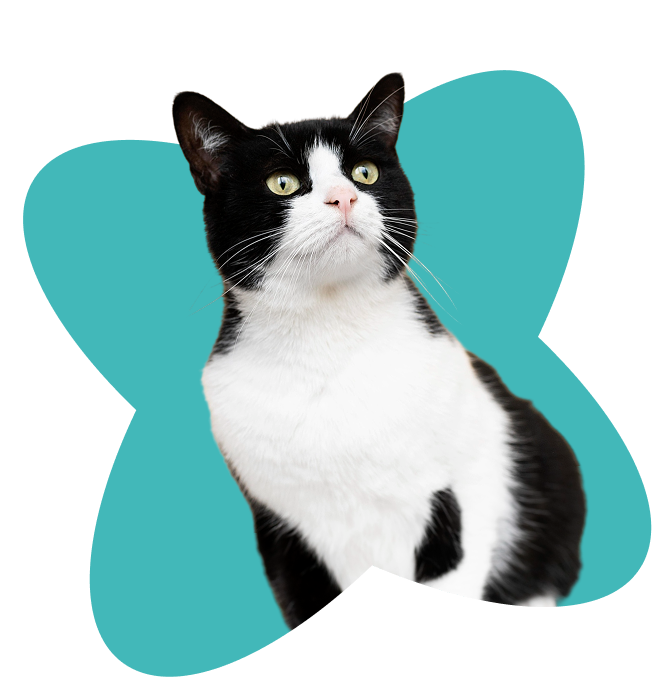
Grey cat lying down

Don’t Just Take Our Word for It

Here’s what Medowie and Port Stephens pet families have to say about our team.

Pet Orthopaedic Surgery
Questions, Answered

A few of the most common questions we hear about pet orthopaedic surgery in Medowie, pet fracture repair in Medowie and pet bone surgery in Medowie. Got one that’s not here? Give us a call or send a message.

What is pet orthopaedic surgery?

Pet orthopaedic surgery is any surgical procedure involving your pet's bones, joints, ligaments or tendons. It covers everything from fracture repair through to joint surgery for conditions like cruciate ligament disease, luxating patella and hip dysplasia. The goal is to restore comfort, mobility and quality of life.

The conditions we see most often include:

  • Cruciate ligament disease (knee joint instability, very common in dogs)
  • Fractures from trauma or accidents
  • Luxating patella (kneecap dislocation, common in small breeds)
  • Joint disease and osteoarthritis, particularly in older and large-breed pets
  • Hip dysplasia, particularly in large and giant breeds
  • Growth plate injuries in young, growing animals

Common signs that an orthopaedic check is worth booking include limping, stiffness, difficulty getting up, reluctance to walk or play, sudden inability to bear weight on a limb, swelling around a joint, or behaviour changes like irritability or withdrawal. Not every case needs surgery, but every case needs proper assessment. We'll examine your pet, take imaging if needed, and talk through your options honestly.

Pet fracture repair usually involves imaging to assess the break, pre-anaesthetic blood work, a full general anaesthetic with continuous monitoring, and surgical stabilisation using plates, screws, pins or external fixation depending on the type and location of the fracture. Recovery is typically supported through structured rehabilitation with Move Unleashed and follow-up appointments to monitor healing. The right surgical approach depends on the individual case, and we'll talk it through with you in detail before going ahead.

Cruciate ligament disease is rupture or degeneration of the cranial cruciate ligament, which stabilises the knee joint. It's one of the most common orthopaedic conditions in dogs, particularly larger breeds, and causes pain, lameness and joint instability. Surgical repair is often recommended to restore joint function and reduce secondary arthritis, but in some cases we may also support recovery with non-surgical management and rehabilitation through Move Unleashed.

Age alone is not a reason to avoid orthopaedic surgery. What matters is your pet's overall health, the nature of the condition and the expected benefit. Older pets may need a more thorough pre-anaesthetic work-up to make sure they're in good shape for surgery, and we'll talk through any additional considerations at the consultation. Surgery can be the kindest option for pets in chronic pain, but in some cases we may also support comfort and mobility with non-surgical management and rehabilitation through Move Unleashed.

Cost varies considerably depending on the type of surgery, your pet's size, whether the visiting professional veterinary surgeon is required, and whether imaging is needed beyond what we do on-site. We'll always discuss expected pricing up front when you book, and flexible payment options including VetPay, Afterpay, Zip Pay and GapOnly are available to help spread the cost across the surgery and rehabilitation pathway.

Most orthopaedic recoveries take 8 to 12 weeks, although timeframes vary by procedure and individual case. The first two weeks involve strict rest, pain management and wound care. From there, structured rehabilitation through Move Unleashed gradually rebuilds strength, range of motion and confidence in the limb. Full return to normal activity usually happens somewhere between weeks 10 and 14.

In many cases, no. We have a fully equipped on-site surgical suite, and for complex cases that benefit from advanced surgical expertise, a visiting professional veterinary surgeon comes into our clinic to perform the surgery here. The exceptions are cases requiring advanced imaging like CT or MRI, or facilities beyond what can be provided locally. In those cases, we refer to SASH (Small Animal Specialist Hospital) or other referral centres and coordinate the journey on your behalf.

We coordinate rehabilitation through Move Unleashed, our sister business and longstanding rehabilitation partner. Depending on your pet's procedure and progress, options include hydrotherapy, physiotherapy, laser therapy, acupuncture and custom recovery programs tailored to the specific surgery. We strongly recommend rehab for every orthopaedic patient because it makes a real difference to the long-term outcome, and we'll talk through what's right for your pet at discharge.

For most orthopaedic patients, yes. With surgical repair and proper rehabilitation, most pets return to normal or near-normal function, often well enough that you'd never know they'd had surgery. Older pets and those with degenerative conditions may need ongoing management to stay comfortable, but quality of life can still be excellent. We'll be honest with you about realistic expectations for your individual pet.

Sometimes. We take digital X-rays on-site at our Medowie clinic, which is sufficient for most orthopaedic diagnostics. For cases needing CT or MRI, like complex fracture planning or detailed joint assessment, we refer to advanced imaging centres across Newcastle, the Central Coast and Sydney. We coordinate the referral, communicate the findings, and bring everything back into your pet's surgical plan.

Pet Orthopaedic Surgery In Medowie, From Diagnosis To Full Recovery

Whether your pet has just been injured, has been diagnosed with an orthopaedic condition, or is showing signs of mobility issues that need a closer look, the Noah’s Ark Veterinary Services Medowie team is here to help. The conversation starts with an orthopaedic consultation. Honest assessment, clear options, complete care from diagnosis through to full recovery, all close to home.

Submit Your Enquiry Today
This field is for validation purposes and should be left unchanged.
Max. file size: 50 MB.