









WHEN SURGERY IS THE ANSWER

Your Local Medowie Experts In Pet Soft Tissue Surgery

A bump that’s appeared overnight, a wound that won’t heal, abdominal pain that won’t settle, or something that just doesn’t feel right when you’re patting your pet.

Our pet soft tissue surgery in Medowie brings together a fully equipped surgical suite, a visiting professional veterinary surgeon for complex cases, and continuous anaesthetic monitoring on every procedure, so your pet can receive complete care close to home. We’ve been supporting families through these decisions across Port Stephens since 2002.

SIGNS WORTH PAYING ATTENTION TO

Signs Your Pet Could Use A Soft Tissue Check

Swellings, wounds and unexplained changes can be easy to dismiss in the early stages, especially when your pet seems otherwise comfortable. But many soft tissue issues are easier to manage when they’re caught early, and what looks like a harmless bump on the surface can sometimes need closer attention underneath. If something’s changed about your pet, it’s worth a conversation.

Common signs that a soft tissue check is worth booking:

  • A new bump, swelling or growth, especially one that’s changing
  • Anything that feels hot, painful or has discharge
  • An open wound or laceration that won’t heal
  • Repeated vomiting, refusing food or unusual lethargy
  • Swelling around the abdomen, groin or umbilicus
  • Difficulty urinating, blood in the urine or straining
  • Excessive licking or biting at one spot
  • Sudden behavioural change or visible distress

Even if you’re not sure whether something needs surgery, a physical examination and pet health check is the right first step. We’ll talk through what we find and what to do next.

WHAT WE TREAT

Common Pet Soft Tissue Procedures We Perform

Soft tissue surgery covers a broad range of conditions and procedures, from growths on the skin through to internal surgery in the abdomen. Some are urgent, some are planned, and some are diagnostic. The procedures we perform most often are lump and mass removal, abscess drainage, hernia repair, wound and laceration repair, bladder stone removal, foreign body removal and caesarean section.

Lump And Mass Removals

Skin growths, masses and lumps are one of the most common reasons pets come in for soft tissue surgery. Pet lump removal in Medowie covers everything from straightforward lipomas (fatty deposits) and sebaceous cysts through to more complex skin tumours. Whether biopsy or histopathology is recommended before or after removal is something we’ll talk through with you. If something we remove turns out to be cancerous, our cancer care pathway supports ongoing treatment and monitoring.

Abscess Drainage And Treatment

Abscesses are pockets of infection that often appear after bites, scratches or foreign body penetration. They’re typically painful, hot to touch and may have discharge. Surgical drainage, thorough cleaning and antibiotic treatment usually resolve them quickly, although deeper or recurring abscesses can need a bit more work to settle properly.

Hernia Repair

Hernias occur when internal tissue pushes through a weakness in the body wall, most commonly at the umbilicus (belly button), groin or perineum. Some are congenital and present from birth, others develop after pregnancy, trauma or straining. Surgical repair usually involves closing the defect to prevent organs from becoming trapped, which can become a life-threatening emergency.

Wound And Laceration Repair

Bites, cuts, fence injuries and other open wounds often need surgical cleaning and closure to heal properly, particularly when they’re deep, contaminated or in awkward locations. Larger or more complex wounds may need debridement (removal of damaged tissue) and reconstructive techniques to restore the area properly. Earlier repair generally means a better cosmetic and functional outcome.

Bladder Stone Removal (Cystotomy)

Bladder stones can cause pain, blood in the urine and life-threatening blockages, particularly in male pets. Cystotomy involves opening the bladder, removing the stones and sending them for analysis so we can recommend the right diet and lifestyle changes to prevent recurrence.

Foreign Body Removal

Pets, especially young ones, sometimes swallow things they shouldn’t, like socks, stones, corn cobs or fishing hooks. When a foreign object causes an obstruction in the stomach or intestines, surgical removal is often the only option, and timing is critical. Signs include repeated vomiting, refusing food, abdominal pain and lethargy.

Caesarean Section

For pregnancies that aren’t progressing safely or for breeds at higher risk of birthing complications, a planned or emergency caesarean section can be the safest option for mum and her babies. We’ll work with you in advance where possible to plan timing, and have the team and recovery setup ready for both mother and newborns.

A COMPLETE SURGICAL CARE PATHWAY

Veterinary Soft Tissue Surgery, Done Locally

Our approach to soft tissue surgery in Medowie is part of our broader pet surgery services: diagnosis, surgery and recovery happen in coordination, often without your pet having to leave the local area. Three pillars work together to make that possible, whether it’s lump removal or broader general pet surgery in Port Stephens.

A Fully Equipped On-Site Surgical Suite

Our surgical suite is fully equipped for a wide range of soft tissue procedures, which means many lump removals, wound repairs, abdominal surgeries and emergency cases can be performed at our Medowie clinic. Your pet stays in a familiar environment with a team they know, and you avoid the stress and cost of a referral hospital trip for procedures that can be safely done locally.

A Visiting Professional Veterinary Surgeon

For complex cases that benefit from advanced surgical expertise, a visiting professional veterinary surgeon comes into our clinic to perform surgery on-site. Pet owners in Medowie and Port Stephens can access this level of general pet surgery in Port Stephens locally, rather than travelling to Newcastle or Sydney for the procedure itself.

Safety, Monitoring And Comfort On Every Procedure

Every soft tissue procedure includes pre-anaesthetic blood work, continuous anaesthetic monitoring by a dedicated team member, and recovery in a quiet, monitored area. We use the FAS (Fear, Anxiety and Stress) framework to keep handling gentle from admission through to discharge, with pain management built into every procedure.

Age And Wear Over Time

Joints, ligaments and cartilage gradually wear down with use, particularly in larger or more active pets. Senior dogs and cats commonly develop osteoarthritis, and what looks like sudden stiffness one morning is often the result of years of subtle change finally tipping into noticeable discomfort. Growth-plate injuries in young, still-developing pets sit at the other end of the timeline and need careful management to protect future bone growth.

Our Referral Network

For cases needing advanced imaging like CT or MRI, or facilities beyond what can be performed on-site, we work closely with SASH (Small Animal Specialist Hospital) and other referral centres across Newcastle, the Central Coast and Sydney. The right level of care, in the right place, with us coordinating the journey from start to finish.

SURGERY IS ONLY PART OF IT

Soft Tissue Surgery Recovery,
Aftercare & Wound Healing

Recovery from soft tissue surgery depends a lot on what was done, where it was done, and how well your pet rests during the healing window. With most procedures, your pet will be back to normal within a couple of weeks. The biggest things to manage are pain, activity and the surgical site itself. For broader reading on pet recovery and wellbeing, our pet advice section has more.

The First 48 Hours

Your pet will be groggy, sore and probably less interested in food than usual for the first day or two. Keep them quiet, warm and well-supported, offer small amounts of food and water, and give pain relief as directed. Rest is the most important thing in the early days.

Wound Care And Activity Restriction

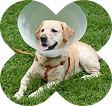
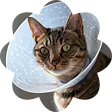
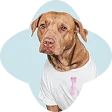
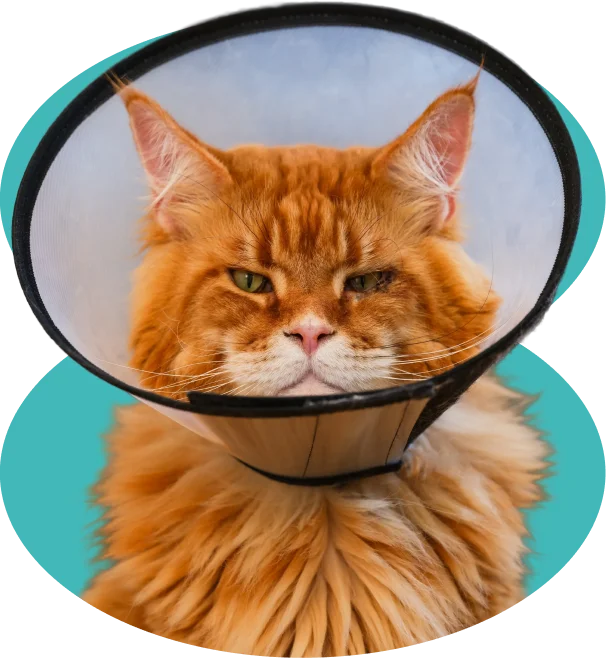
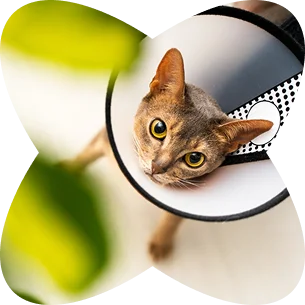
The surgical site needs to be kept clean and dry, and your pet needs to be prevented from licking, chewing or scratching at it. An e-collar or recovery suit is usually part of the plan. Activity is restricted while the wound heals, which typically means no running, jumping or rough play, with short toilet walks on lead only.

Pain Management

Pain medication continues for as long as we have prescribed it. Most soft tissue procedures need a few days of pain relief, although some cases need longer depending on the surgery. Don’t try to assess pain by behaviour alone, because pets often hide it well, and the medication is there for a reason.

Post-Op Follow-Up

Follow-up appointments are built into every soft tissue surgery so we can check the surgical site, remove stitches if needed, and confirm when it’s safe to return to normal activity. If anything comes up at home before then, give us a call. We’d much rather hear from you early than have a small thing turn into a bigger one.

FROM ASSESSMENT TO RECOVERY

What To Expect From Your Pet's Soft Tissue Surgery

Whether your pet is coming in for a planned procedure or an emergency, here’s what the soft tissue surgery process typically looks like.

Initial Assessment

Every soft tissue case starts with a thorough physical examination. For growths and masses, we’ll feel the area, check for any other concerns elsewhere on the body, and recommend whether a fine needle aspirate or biopsy is appropriate. For acute issues like wounds, foreign bodies or hernias, we’ll stabilise your pet and plan the next step.

Diagnostic Testing

Depending on the case, we may take digital X-rays or ultrasound on-site, or recommend pathology and blood work to understand what we’re dealing with. For more detailed imaging like CT or MRI, we refer to advanced imaging centres across Newcastle, the Central Coast and Sydney, and bring the findings back into the surgical plan.

Pre-Anaesthetic Blood Work

Before planned soft tissue surgery, we run pre-anaesthetic blood work, unless it’s been done in the past 3 months. It gives us a clear picture of your pet’s liver, kidney and overall organ function on the day, so we can adjust the anaesthetic protocol if anything looks off. Not optional, not an upsell, just how we do it.

Anaesthetic And Surgery

Once your pet’s pre-anaesthetic checks are complete and we’re confident it’s safe to proceed, we induce a full general anaesthetic. A dedicated surgical team member stays with them the whole time, monitoring heart rate, breathing, oxygen levels, temperature and depth of anaesthesia from the moment they go under right through to recovery. The surgical approach and technique are matched to your pet’s individual case, chosen to minimise tissue damage and support a smoother recovery.

Recovery At The Clinic

After surgery, your pet recovers in a quiet, monitored area of our hospital until they’re awake, warm and comfortable. Depending on the procedure and your pet’s individual case, recovery may be a day stay or include overnight observation. We won’t send them home until we’re happy with how they’re recovering.

Discharge And Home Care Plan

At discharge, we walk you through the surgery, pain management, wound care instructions and what to watch for at home. You go home with a clear plan, medication if needed, and a follow-up appointment booked in to check the surgical site as healing progresses.

WHY IT HAPPENS

Why Pets End Up Needing Soft Tissue Surgery

Soft tissue issues develop in lots of different ways. Some are slow-growing growths that appear with age, others happen suddenly through injury or illness, and some are conditions your pet has been carrying since birth. Understanding what’s going on can help you feel more confident about whether something needs checking out.

Growths That Appear With Age

Most adult dogs and cats will develop a bump or two during their life, particularly as they get older. Most of these are benign, with fatty deposits, cysts and warts all being common, but the only way to know for sure is to have it checked. A quick examination, sometimes with a fine needle aspirate (FNA), is usually all it takes to get an answer.

Bites, Scraps And Everyday Accidents

Cuts, bites, fence injuries and animal fights are common reasons pets need soft tissue surgery, and most aren't as serious as they look. Cats that fight tend to come home with head scratches if they've stood their ground, or hindquarter bite wounds if they've run, which often develop into an abscess a few days later. Dogs pick up similar wounds from fence scraps, dog park run-ins and rough play. For most, a clean-up, stitches and a short course of antibiotics is all it takes. Earlier is easier.

Internal Issues That Need Surgical Attention

Swallowed objects, bladder stones, twisted stomachs and some types of organ disease all need surgical intervention to resolve. These cases are often emergencies, and the signs to watch for include sudden vomiting, refusing food, distress, abdominal pain or difficulty urinating. If something doesn't feel right, don't wait, because these are the cases where speed makes the biggest difference.

Congenital And Inherited Conditions

Some pets are born with conditions that need surgical correction at some point, like umbilical hernias or entropion (eyelids that roll inward). Others have a breed predisposition to certain issues that may become surgical later in life. We'll talk through what's worth keeping an eye on for your specific pet at routine check-ups.

LOCAL CARE, COMPLETE PATHWAY

Pet Soft Tissue Surgery Services In Medowie

Our pet soft tissue surgery in Medowie at our Medowie clinic covers a wide range of procedures from routine lump removals through to more complex abdominal and reconstructive work. We perform mass removals in Port Stephens, hernia repairs, wound and laceration repair, foreign body retrieval, bladder stone removal, caesarean sections and abscess management. Every soft tissue procedure involves pre-anaesthetic blood work, close monitoring throughout, and a clear recovery and follow-up plan; for planned surgery, recent blood work from the past 3 months doesn’t need repeating.

Handling stays gentle from admission through to recovery, and after surgery we’ll sit down with you to walk through how it went and what to expect next. For cancerous lumps that need ongoing care, we coordinate with our cancer care pathway. For surgical needs that fall outside soft tissue, we also offer orthopaedic surgery and dental surgery here in Medowie. Flexible payment options including VetPay, Afterpay, Zip Pay and GapOnly are available to help spread the cost of surgery and recovery. Veterinary soft tissue surgery has been part of what we do at Noah’s Ark Veterinary Services since 2002.

Grey cat lying down

Don’t Just Take Our Word for It

Here’s what Medowie and Port Stephens pet families have to say about our team.

Pet Soft Tissue Surgery
Questions, Answered

A few of the most common questions we hear about pet soft tissue surgery in Medowie, pet lump removal in Medowie and mass removals in Port Stephens. Got one that’s not here? Give us a call or send a message.

What is pet soft tissue surgery?

Pet soft tissue surgery is any surgical procedure that involves the body's soft tissues, including skin, organs, blood vessels, ligaments and tendons, rather than bones. It covers everything from lump removals and wound repair through to abdominal surgery, foreign body retrieval and caesarean sections.

Not every lump needs surgical removal, but every one is worth checking. A physical examination, sometimes followed by a fine needle aspirate or biopsy, helps determine whether a lump is benign or warrants removal. Growths that are bleeding, ulcerated, painful, located in awkward spots or growing quickly are often candidates for removal. We'll talk through what's right for your pet honestly.

Pet lump removal typically involves a physical examination, pre-anaesthetic blood work (unless it's been done in the past 3 months), a general anaesthetic with continuous monitoring and IV fluid therapy, surgical removal of the lump with appropriate margins, and submission for histopathology if recommended. Recovery is usually quick, with most pets back to normal within 10 to 14 days, and stitches removed at a follow-up appointment.

Age alone is not a reason to avoid surgery. What matters is your pet's overall health, the nature of the condition and the expected benefit. Older pets may need a more thorough pre-anaesthetic work-up to make sure they're in good shape, and we'll talk through any additional considerations at the consultation. Continuous monitoring throughout surgery makes anaesthesia safer than ever for senior pets.

Cost varies considerably depending on the type of surgery, your pet's size, whether the visiting professional veterinary surgeon is required, and whether additional imaging or histopathology is needed. We'll always discuss expected pricing up front when you book, and flexible payment options including VetPay, Afterpay, Zip Pay and GapOnly are available to help spread the cost.

Recovery time depends on the procedure. Routine lump removals and minor wound repairs are usually healed within 10 to 14 days, while more complex abdominal surgery may need 4 to 6 weeks. You'll have a clear timeline at discharge, along with what to watch for during recovery.

Almost always, yes. The cone (or e-collar) is there to stop your pet from licking, chewing or scratching at the surgical site, which can cause infection or open the wound. Recovery suits and soft collars are alternatives that work for some pets and procedures, and we'll send you home with what's most appropriate.

Some lumps are sent for histopathology and others aren't, depending on appearance, behaviour and your pet's history. Some end up being something simple, like an abscess that just needs draining and a short course of antibiotics to clear up. Lumps that are clearly benign often don't need testing, while those that have grown quickly, look unusual or could be cancerous should be sent off to confirm what they are. We talk this through with you first and only proceed with testing where it's genuinely helpful.

We'll give you specific fasting instructions when you book in, but generally we ask that pets are not fed for 8 to 12 hours before surgery. Water is usually fine until a few hours before. Following these instructions helps reduce the risk of complications during anaesthesia.

If histopathology confirms a lump is cancerous, the next steps depend on the type of cancer, whether it was removed with clear margins, and your pet's overall health. We coordinate ongoing cancer care including monitoring, additional treatment if needed and palliative support, and we'll walk you through the options honestly and at your pace.

In many cases, no. We have a fully equipped on-site surgical suite, and for complex cases that benefit from advanced surgical expertise, a visiting professional veterinary surgeon comes into our clinic to perform the surgery here. The exceptions are cases requiring advanced imaging like CT or MRI, or specialised facilities beyond what we can provide locally. In those cases, we refer to SASH (Small Animal Specialist Hospital) or other referral centres across Newcastle, the Central Coast and Sydney and coordinate the journey on your behalf.

Local Pet Soft Tissue Surgery In Medowie, From Lump To Recovery

Whether you’ve just found a lump, your pet has had a sudden injury, or there’s a planned procedure on the horizon, the Noah’s Ark Veterinary Services Medowie team is here to help. The conversation starts with a soft tissue consultation. Honest assessment, clear options, complete care from diagnosis through to full recovery, all close to home.

Submit Your Enquiry Today
This field is for validation purposes and should be left unchanged.
Max. file size: 50 MB.