A quick, permanent ID that helps bring your pet home fast if they ever slip the leash or bolt out the gate.

Tailored vaccination schedules built around your pet's lifestyle, not a one-size-fits-all protocol.

Thorough wellness exams with blood pressure monitoring to catch issues early, long before they become a concern.

Chiropractic, hydrotherapy, acupuncture and more through our sister clinic, Move Unleashed.

Full in-house blood work, urinalysis and faecal testing for faster answers when every minute matters.

State-of-the-art digital imaging on-site, so you never have to travel for answers.

Itchy skin, ear issues and allergies handled with a proper investigation, not just a quick fix.

Gentle, compassionate end-of-life care, guided by our ethical euthanasia policy and complete respect for your family.
Practical, empathetic guidance for anxious, reactive or tricky pets, with no forceful handling ever.
Parasite prevention tailored to your pet's coat, lifestyle and local risk levels.
Quick, low-stress trims for pets who need a hand keeping those claws in check.
Independent diet advice built around your individual pet, not a brand we're trying to push.
Free dental checks so we can spot plaque, tartar and gum issues before they turn painful.
Worming advice and products matched to your pet's age, breed and day-to-day risk.
Diagnosis, treatment planning and ongoing care, supported by our specialist referral network at SASH.
Professional dental cleans, extractions and oral surgery, with pre-anaesthetic bloods always included.
Individualised desexing advice based on your pet's breed, size and health, not a set age.
Bone, joint and ligament surgery, with a visiting professional veterinary surgeon for more complex cases.
Lump removals, wound repairs and abdominal surgery, all with modern monitoring systems and pain control.
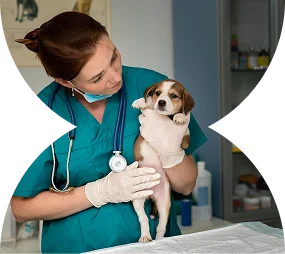
Your puppy’s first appointment covers vaccinations, health checks and helpful advice to start their life on the right paw.
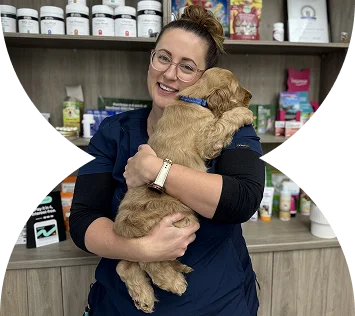
Routine veterinary visits help detect problems early while keeping vaccinations, dental health and nutrition on track.

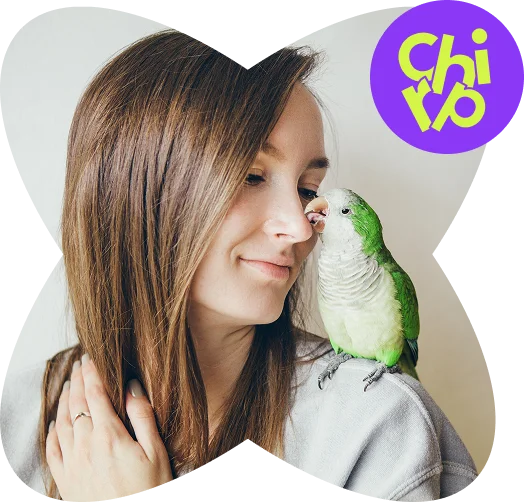
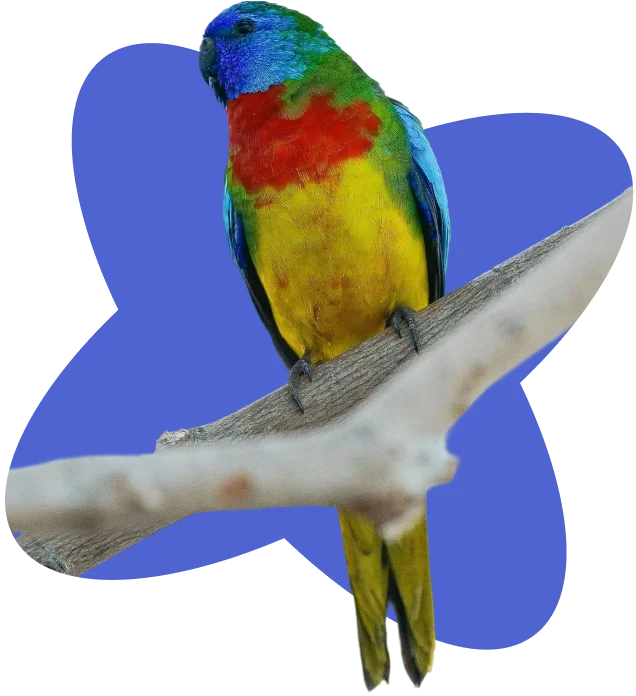
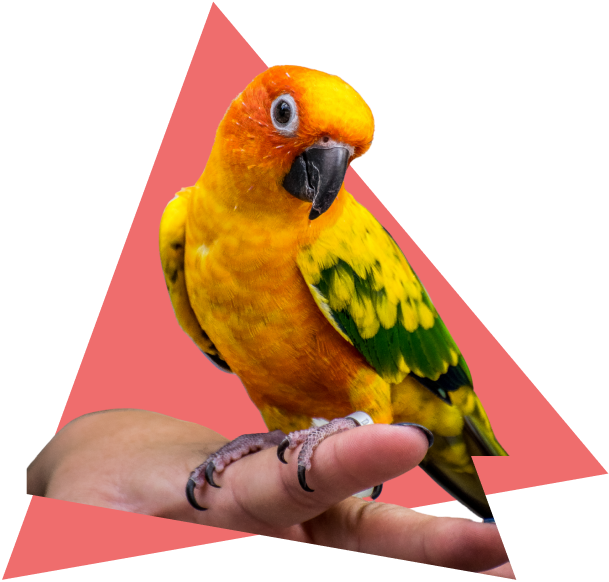
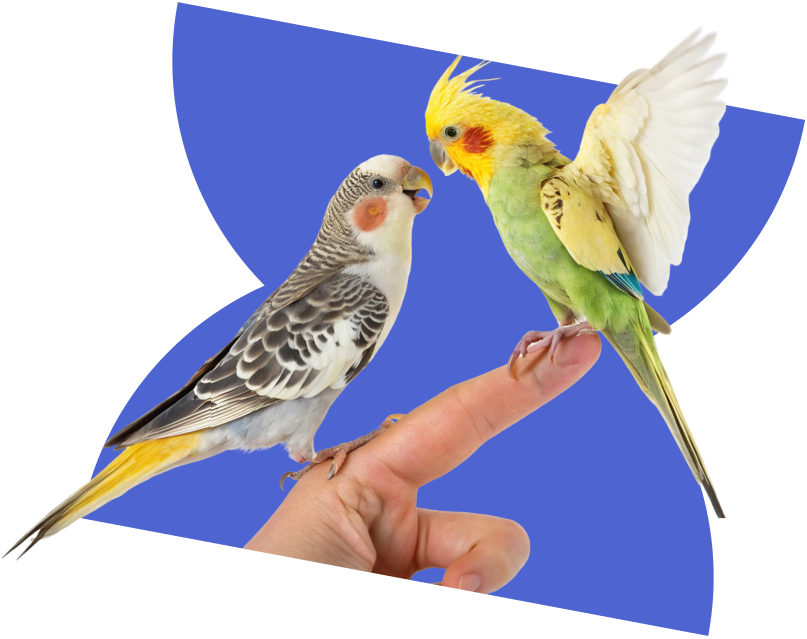
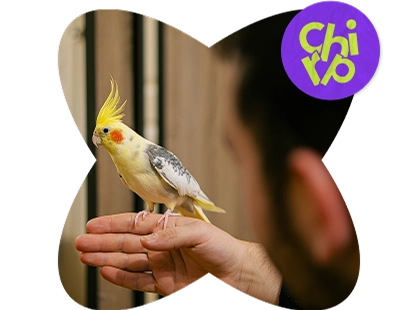
Birds and exotic pets have unique health needs that benefit from specialised veterinary care and preventative check-ups.
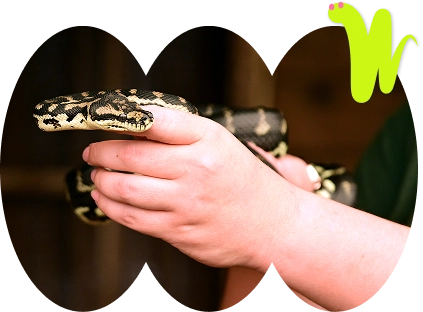
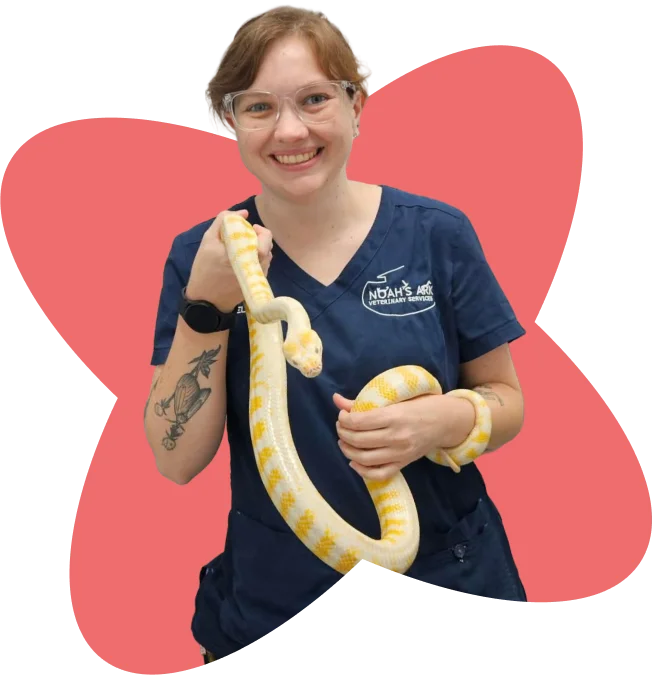
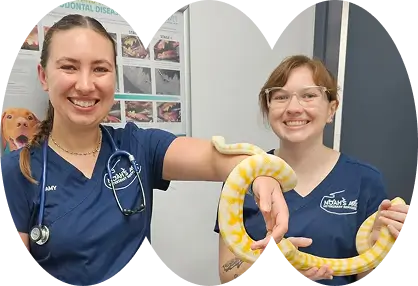
Pet snakes require specialised environments, careful feeding and gentle handling to stay healthy and stress-free throughout
their lives.
From kittens to seniors, every visit is tailored to your cat's comfort and stress levels.

Wellness, prevention, surgery and everything in between for dogs of every age and breed.
Reptiles, amphibians, fish and birds all get genuine, experienced care from a team that loves the unusual.

Gentle, expert care for rabbits, guinea pigs, rats, mice and other small pets with big personalities.

Practical articles and tips from our team to help you keep a healthier, happier pet.
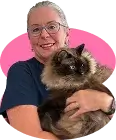
Meet the vets, nurses and support team who'll treat your pet like family.

Take a look behind the scenes at our Medowie Shopping Village practice.
NOT YOUR USUAL CONSULT ROOM
A budgie. A bearded dragon. A ferret with too many opinions. A long-necked turtle. A tank full of fish that finally hit balance. These aren’t the patients most clinics actively want to see. They are at Noah’s Ark. Exotic pets have wildly specific needs (temperature, humidity, UV, diet, social structure, water chemistry) and the line between “doing well” and “in real trouble” is often invisible to the average owner until it isn’t.
This page walks through the species we see, what each one actually needs to thrive, the bits owners often don’t see coming, and how we approach exotic pet care. Caring for birds, reptiles, ferrets, amphibians and fish across Medowie and the wider Port Stephens region, we treat the unusual patients with the same time, thought and skill as anyone else who walks through the door.
BEFORE YOU BRING ONE HOME
Exotic pets are easy to fall for in a reptile expo, an online listing, a breeder’s photos or the tank at the local pet shop. The reality is often more involved. A budgie or cockatiel needs daily out-of-cage time and company. A bearded dragon needs the right UV bulb, the right temperature gradient and a calcium-balanced diet to avoid metabolic bone disease. A ferret needs the right setup, stimulation and supervision. A turtle can outlive its first owner by decades. Fish and amphibians live and die by water chemistry that’s easy to get wrong. A short call before you commit can save a lot of guesswork on setup, diet, lifespan and what kind of veterinary care your chosen species will actually need. No judgement, just useful local advice from a team that genuinely enjoys the unusual ones.
THE GOOD STUFF
Exotic pets get unfairly written off as “less interactive” or “lower maintenance”. Anyone who’s actually shared a home with one knows better. Here’s a quick list of why these animals win their people over so completely.
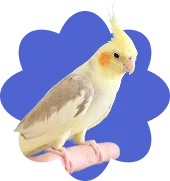
Budgies and cockatiels will hold full chatty meetings with their reflection. Half-language, half-music, fully committed, and somehow always at 6am.
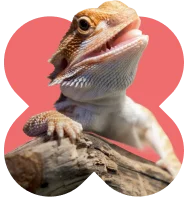
A male bearded dragon will bob his head when he’s feeling proud, defensive or just very awake. It looks like enthusiastic agreement with whatever you’re saying, which is hard not to take personally.
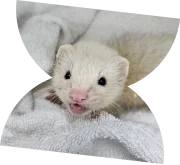
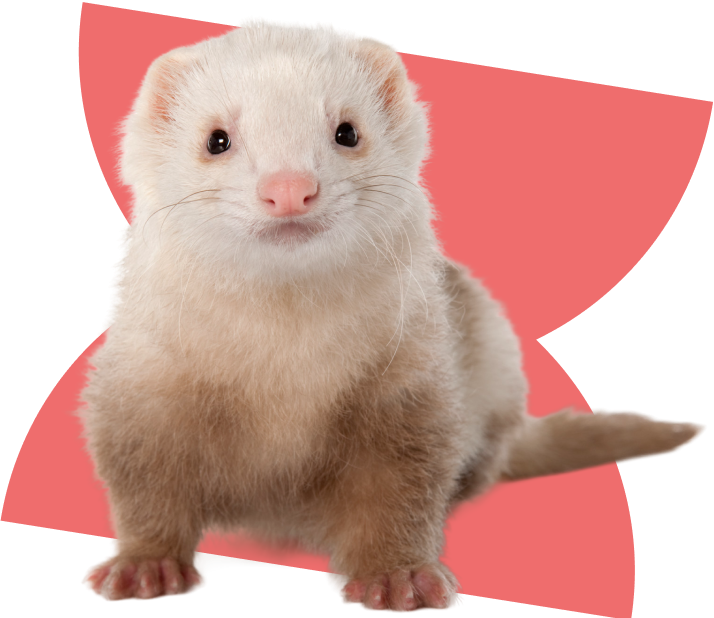
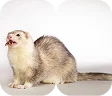
A delighted ferret throws itself sideways across the floor, mouth open, hopping in chaotic loops. It looks like a cartoon glitch and it means they’re having the best time of their lives.
Snakes (such as pythons) will stay perfectly still and watch you do dishes, fold laundry or eat dinner. There’s something deeply calming about being silently observed by something this old in evolutionary terms.
Fish are easy to dismiss until you live with one, and then you discover a personality. Bettas in particular develop firm preferences about sides of the tank, times of day and which human is allowed near them at feeding.
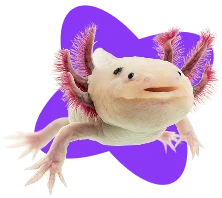
Axolotls wear a permanent, faintly bemused smile, with feathery external gills that wave in the current like underwater foliage. They’re easy to underestimate and impossible to look at without grinning back.
MEET THE UNUSUAL PATIENTS
Birds, reptiles, ferrets, amphibians and fish are vastly different animals with vastly different needs. They sit under one banner only because most general clinics don’t see them. Lifespans, husbandry, diets, common illnesses and warning signs all vary enormously. Below is a short profile of each group, with the things every owner should know and where the vet conversation typically starts. The right plan, of course, is always one matched to the individual animal in front of us.
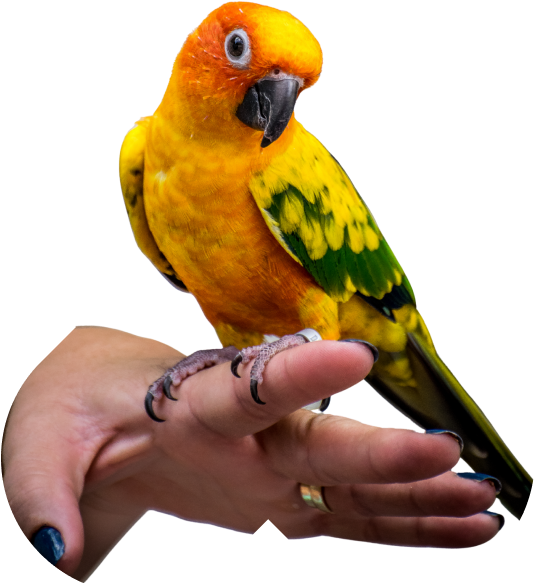
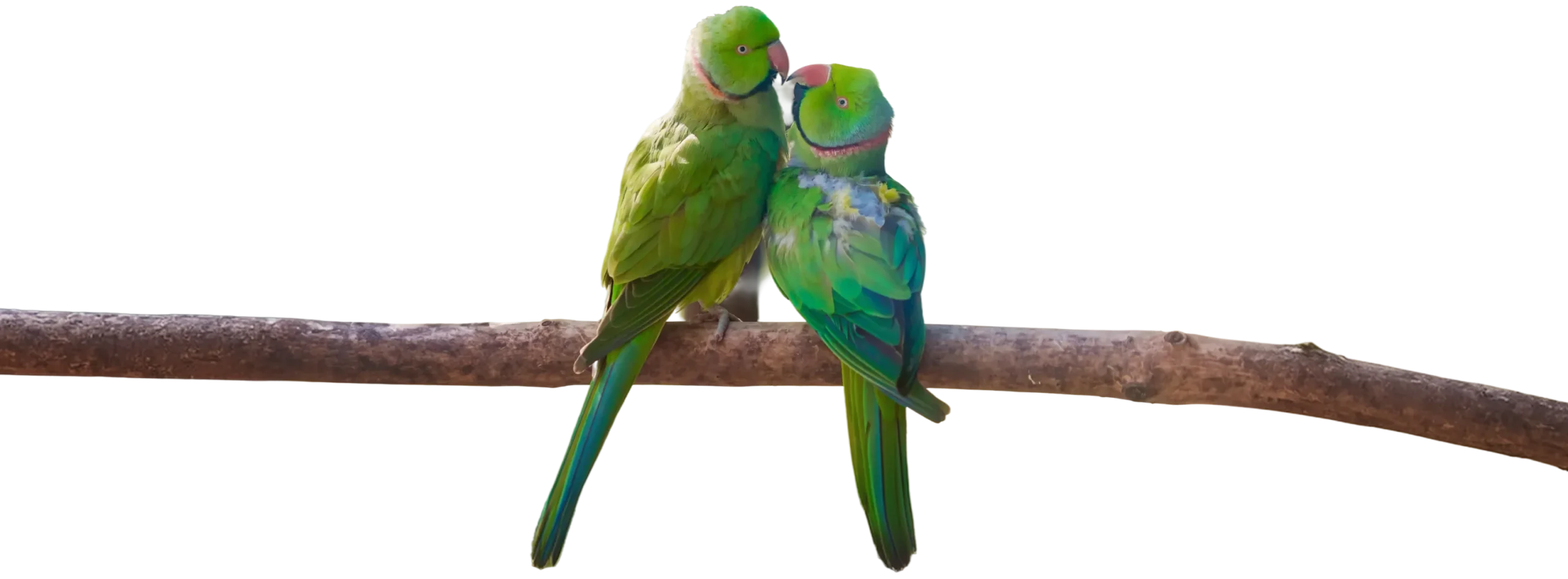
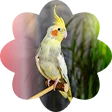
Exotic birds in Medowie are the longest-lived of the species we see if you bring home a parrot. A budgie or cockatiel might share your home for 8 to 15 years. A large parrot like a sulphur-crested cockatoo or macaw can outlive you. They’re intelligent, intensely social and bond hard with their humans. Respiratory issues are the most common reason we see them: birds have remarkably sensitive airways and the warning signs can escalate fast. Feather plucking, beak and nail overgrowth, egg binding in unmated females and crop problems also come up a lot. Diet variety, the right cage size and daily out-of-cage social time are the trio that keeps most issues away.
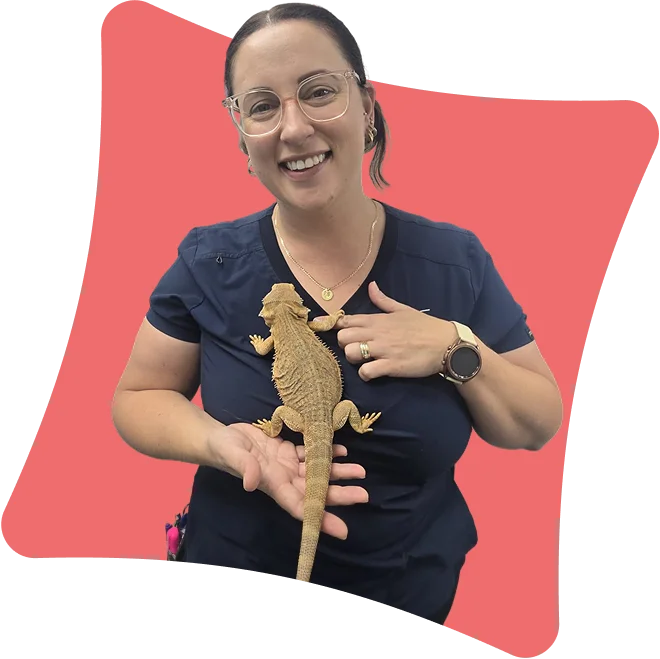
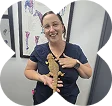
Reptiles are husbandry animals. Almost every reptile health problem we see traces back to setup: the wrong temperature gradient, an old UV bulb that’s stopped emitting useful UVB, low humidity for a tropical species, high humidity for an arid one, an unbalanced diet missing calcium. Metabolic bone disease is the classic preventable illness in lizards, especially bearded dragons fed without enough calcium or proper UV. Respiratory infections, parasites, shedding problems and injuries make up most of the rest. Bearded dragons, blue-tongues, geckos, snakes and freshwater turtles are all patients we see. Get the enclosure right and most reptile vet visits become routine check-ins.
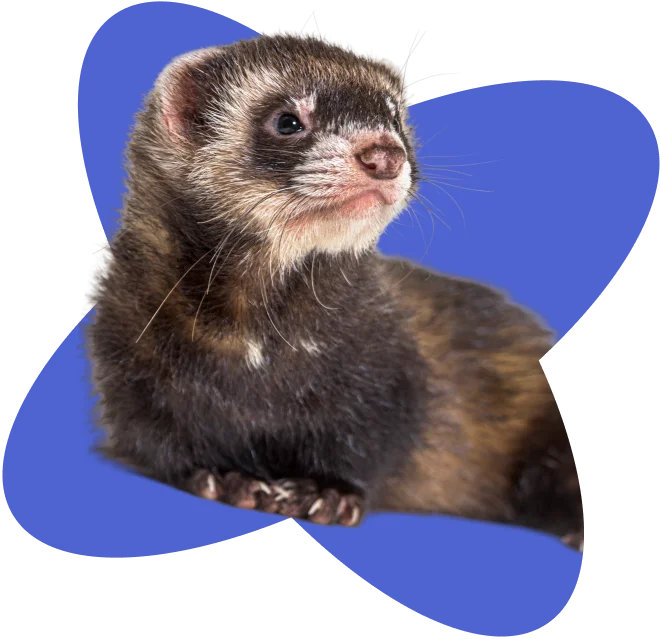
Ferrets are dense little balls of mischief with a clinical profile entirely their own. Adrenal disease (symmetrical hair loss, behavioural changes, itching) and insulinoma (sudden weakness, drooling, collapse) are the two big ones to watch for, especially from around age three. Dental disease, gastrointestinal foreign bodies (ferrets eat anything that fits) and heart disease also come up. They’re highly social, they sleep an enormous amount, and they pack more personality per kilo than just about any pet species. We’ll talk through their specific vaccination needs at their first visit.
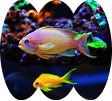
Water chemistry shapes almost everything. A skin infection, a sudden death, a fish off food, a frog gone listless: the cause is usually in the tank before it’s in the animal. Skin and gill parasites, fungal infections and injuries are the next layer. Many of the species we see in this group are quietly long-lived (axolotls 10 to 15 years, goldfish well past 20, koi several decades). We can work through tank issues, run pathology and treat surgically where it makes sense. Bring a recent water test reading to your appointment if you have one. It saves a lot of guessing.
A snapshot of what proactive care looks like across the bird and exotic species groups we see most.
Annual health check minimum, twice-yearly for ageing or chronically ill birds. Pelleted diet with variety, daily out-of-cage time, hazard-free home. Emergency sign: fluffed-up posture, sitting on the cage floor, laboured breathing, tail bobbing.
Annual health check, with a husbandry review built into every visit. No vaccinations. Species-correct UV, temperature gradient and diet are non-negotiable. Emergency sign: limb weakness or tremor, refusal to eat for weeks, open-mouth breathing, mucus around the mouth.
Annual health check, twice-yearly from age 4. Vaccinations discussed individually at the first visit. High-protein, meat-based diet. Emergency sign: sudden weakness or collapse, symmetrical hair loss with itching, anything that fits down their throat being unaccounted for.
Health check on a case-by-case basis, water testing far more frequently. Stable water chemistry is the foundation of everything. Emergency sign: clamped fins, gasping at the surface, sudden skin changes, lethargy or buoyancy issues.
THE BITS NOBODY TELLS YOU
Exotic pets are sold widely and supported sparsely. Online advice is wildly inconsistent, most vet websites barely mention them, and pet shop guidance is uneven at best. So plenty of really useful information never reaches the average owner. This is the section we wish every bird and exotic pet owner in Medowie would read, even the ones who never set foot in our clinic.
Most exotic pets are prey species or recently descended from wild ancestors with no domestic safety net. The instinct to mask illness is hardwired in. By the time a bird is fluffed up at the bottom of the cage or a reptile won't move, they've usually been struggling for days. The subtle changes (a quieter bird, a snake that hasn't shed properly, a ferret sleeping differently, a fish that just sits in one corner) often matter more than the dramatic ones. Trust the early signals.
Birds have astonishingly sensitive respiratory systems. Overheated non-stick (Teflon) cookware, scented candles, plug-in air fresheners, aerosol sprays, cigarette smoke and certain essential oil diffusers can all be lethal, sometimes within minutes. A bird that suddenly looks distressed in a smoky kitchen needs fresh air and an emergency call immediately. Most owners have no idea their bird is at risk from things sitting in plain sight in the house.
Metabolic bone disease is the most common preventable illness we see in pet lizards. It starts silently with a calcium shortfall, often because UV lighting is wrong, out of date or missing entirely. By the time it's visible (soft jaw, bent limbs, tremors, reluctance to move) the bones have already changed. UV bulbs need replacing on schedule even if they still look like they're working, because UVB output fades long before the light dies. If you're not sure, bring the bulb (or a photo of the box) to your next appointment.
For most exotic patients, the first half of the consult is a case history of their enclosure. Temperature gradient, lighting, humidity, substrate, diet, tank mates, cleaning routine. Get those right and a surprising percentage of problems disappear without medication. Get them wrong and even the right drugs only buy time. We'd genuinely rather talk through your setup before there's a problem than treat the same animal three times for the same underlying cause.
A female bird (often a budgie or cockatiel) doesn't need a male to lay eggs, and laying eggs is a much riskier event than most owners realise. Egg binding (when an egg gets stuck) can be fatal within hours. Signs include straining, tail bobbing, weakness, a puffed and hunched posture and a swollen abdomen. If you suspect it, call us immediately. This is not a wait-and-see situation.
Whether your exotic pet came home from a reptile expo, a breeder, an online listing or the local pet shop, the kit they came with often isn't enough for the long term. The "starter" tank is often too small. The bundled UV bulb may not be the right type or strength. The included dry food may not be species-appropriate. Fish in particular often arrive from display tanks that weren't cycled in a way that translates to home. None of this is necessarily anyone's fault, but it does mean a pre-purchase or new-pet nutrition and husbandry conversation is one of the best investments you can make.
For fish, amphibians and aquatic turtles, the water IS the environment. A test kit and a fortnightly check (ammonia, nitrite, nitrate, pH, temperature) gives you a head start on 80% of issues before they become visible. Sudden full water changes can be worse than slow problems. Bring water test results to any aquatic appointment if you can. It's faster than working backwards from symptoms alone.
Some exotic cases sit outside general practice. Complex avian surgery, deep specialist reptile work, rare-species diagnostics. When that's the situation, we'll let you know and refer you to special interest exotic vets in Sydney, such as the team at SASH. If your pet ever needs more than we can offer, we'll tell you straight away and point you towards someone who can help.
SERVICES THAT SUPPORT YOUR UNUSUAL PET
Birds and exotic pets need a different mix of services to cats and dogs, but the same standard of care, planning and skill, including the same fear-free, low-stress handling we apply across the clinic. The team has a genuine interest in the unusual patients, which matters in a corner of veterinary medicine where curiosity and experience aren’t always easy to find. Here’s a quick overview of what we offer for birds, reptiles, ferrets, amphibians and fish, with full detail one click away.
Some exotic cases sit beyond general practice scope. When that’s true for your pet, we’ll say so and refer to specialist exotic vets in Sydney, such as the team at SASH. We’ll write the referral, share the workup we’ve already done and stay in the loop. Knowing when to bring a specialist in is part of looking after the unusual patients well.
Most exotic pet health problems start with setup, diet or environment, so we put serious time into nutrition and husbandry conversations. Cage and tank size, UV and lighting, temperature gradients, humidity, water chemistry, social setup, diet specifics. The advice is tailored to your species and individual animal, never generic, and we don’t sell food in the clinic, so nothing is ever pushed.
Regular health checks are how we catch things early in animals that hide their symptoms. Our in-house pathology means we can run bloods, faecal and other tests quickly when something doesn’t add up, and our digital X-ray gives us eyes inside everything from a small bird to a large reptile when needed.
Ferrets are particularly prone to dental disease, and reptiles, large parrots and a handful of other exotic species can also need dental work over a lifetime. We can scale, treat or extract under anaesthetic. Catching it early through routine checks usually means a smaller intervention rather than a bigger one.
Surgery on a bird, reptile or ferret takes precision, the right equipment and a team that’s done it before. From an egg-bound budgie to a foreign-body removal in a ferret to a soft tissue lump on a lizard, the work calls for steady hands and species-appropriate kit. We perform soft tissue procedures (including lump removals, desexing where relevant and dental work) on exotics in-house, with species-appropriate anaesthesia and tailored pain relief built in as standard.
Some exotic cases sit beyond general practice scope. When that’s true for your pet, we’ll say so and refer to specialist exotic vets in Sydney, such as the team at SASH. We’ll write the referral, share the workup we’ve already done and stay in the loop. Knowing when to bring a specialist in is part of looking after the unusual patients well.
Some visits are easier without the car trip, particularly for stressed reptiles, anxious birds and end-of-life appointments. Our home visit team can come to you on a case-by-case basis. For emergencies during business hours, call us before you set off so we’re ready. And when the time comes, our end-of-life care is gentle, considered and on your terms.

At minimum, once a year for a general health check. Twice a year as they get older or if they have a chronic condition. For ferrets specifically, twice-yearly from age four is sensible given how quickly adrenal disease and insulinoma can progress. Beyond that, anything that feels off (eating less, behaving differently, breathing changes, fluffing up, lameness, a skin or feather change, a fish suddenly off food) is a fair reason to call. Exotic pets are exceptional at hiding the early signs of illness, so the bar for "worth checking" should be lower than people often think.

There's almost never a single cause. Boredom, stress (a new pet, a house move, a change in light or routine), diet imbalance, skin or mite issues, hormonal triggers and underlying medical conditions can all contribute, often in combination. The workup usually involves a thorough physical, bloods, a deep dive into the environment and sometimes targeted behavioural support. Don't wait for the patch to get big. Earlier is far easier than later, both diagnostically and for the bird's comfort.

The shortlist: temperature, lighting, calcium or stress. A dragon that's gone dark, lethargic, off food or weak in the legs is often telling you something has drifted in the enclosure. Old UV bulbs that stopped emitting useful UVB even though they still light up, a basking spot that's no longer warm enough, a calcium dusting routine that's slipped, or recent changes to the room (new pets, new furniture, new household sounds). Worth a call. Bring the bulb (or a photo of the box) to your appointment if you can.

That pattern (symmetrical hair loss, often starting at the tail or rump, sometimes with itching, behavioural changes or in females a return of vulvar swelling) is the classic look of adrenal disease, one of the most common conditions in middle-aged and older ferrets. It's manageable, often with a long-acting implant or surgery depending on the case. Get them in for a check. The earlier we treat it, the more comfortable they stay.

Almost always start with the tank. Test ammonia, nitrite, nitrate, pH and temperature, and check when the last water change was. If those are off, fix them gently and see how the fish responds over 24 to 48 hours. If parameters are fine and the fish still looks wrong (clamped fins, gasping at the surface, white spots, lopsided swimming, skin or scale changes), that's a vet visit. Bring your water test results with you. Most fish "illnesses" are really water issues, but real fish disease is also real and we can investigate.

Honest answer: it depends entirely on the species and on a parent who's genuinely in charge of the care. Smaller, less interactive species (geckos, fish, possibly small birds with the right setup) can be lovely for older kids who'd rather observe and learn than handle. Ferrets are too quick, too clever and too nippy for young children without close supervision. Bearded dragons can work well for slightly older kids with strict UV and feeding routines. Large parrots are essentially a lifelong commitment with significant social needs and aren't typically a first-pet decision. Always happy to talk it through before you commit.

A varied, mostly pelleted base diet (around 60 to 70%) with daily fresh vegetables and some leafy greens, plus a smaller amount of fruit and very limited seed. The all-seed mix that dominates pet shop shelves is closer to a treat than a complete diet, and long-term seed-only feeding is one of the most common drivers of bird health problems we see. Avoid avocado, chocolate, onion, garlic and anything salty or fatty. Happy to walk through species-specific nutrition at your bird's next visit, or before you bring one home.

A few species-specific tips. For birds: a covered carrier kept calm and dim, no draughts, and a perch or towel-lined base so they aren't sliding around. For reptiles: a secure container with ventilation, kept at the right temperature for the species (a warm pack in cool weather, no direct sun in summer). For ferrets: a small carrier with familiar bedding, never loose in the car. For fish: a sealed bag or bucket of their own tank water, transported in an insulated container if it's a longer trip. Skip food on the morning of the visit unless we've said otherwise. Give us a call before you set off if you aren't sure what your animal needs.
Whether your bird is a chatty new budgie still settling in, your bearded dragon has been sunning himself on the same log for years, your ferret has just discovered the back of the sofa, or your fish tank has finally hit balance after months of tweaking, the team at Noah’s Ark would be glad to look after them. We’ve been caring for unusual patients (and the people who love them) across Medowie, Raymond Terrace, Salt Ash, Nelson Bay and the wider Port Stephens region since 2002. Different species, same standard of care. Get in touch any time to book a visit, ask a question or simply talk through what your bird or exotic pet needs.