A quick, permanent ID that helps bring your pet home fast if they ever slip the leash or bolt out the gate.

Tailored vaccination schedules built around your pet's lifestyle, not a one-size-fits-all protocol.

Thorough wellness exams with blood pressure monitoring to catch issues early, long before they become a concern.

Chiropractic, hydrotherapy, acupuncture and more through our sister clinic, Move Unleashed.

Full in-house blood work, urinalysis and faecal testing for faster answers when every minute matters.

State-of-the-art digital imaging on-site, so you never have to travel for answers.

Itchy skin, ear issues and allergies handled with a proper investigation, not just a quick fix.

Gentle, compassionate end-of-life care, guided by our ethical euthanasia policy and complete respect for your family.
Practical, empathetic guidance for anxious, reactive or tricky pets, with no forceful handling ever.
Parasite prevention tailored to your pet's coat, lifestyle and local risk levels.
Quick, low-stress trims for pets who need a hand keeping those claws in check.
Independent diet advice built around your individual pet, not a brand we're trying to push.
Free dental checks so we can spot plaque, tartar and gum issues before they turn painful.
Worming advice and products matched to your pet's age, breed and day-to-day risk.
Diagnosis, treatment planning and ongoing care, supported by our specialist referral network at SASH.
Professional dental cleans, extractions and oral surgery, with pre-anaesthetic bloods always included.
Individualised desexing advice based on your pet's breed, size and health, not a set age.
Bone, joint and ligament surgery, with a visiting professional veterinary surgeon for more complex cases.
Lump removals, wound repairs and abdominal surgery, all with modern monitoring systems and pain control.
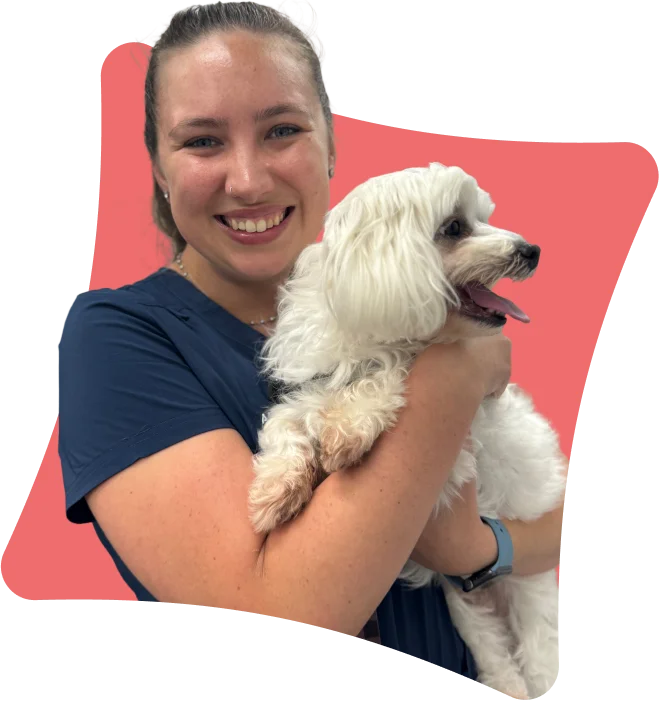
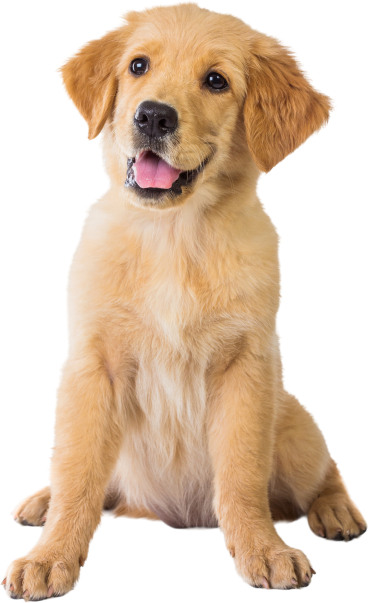
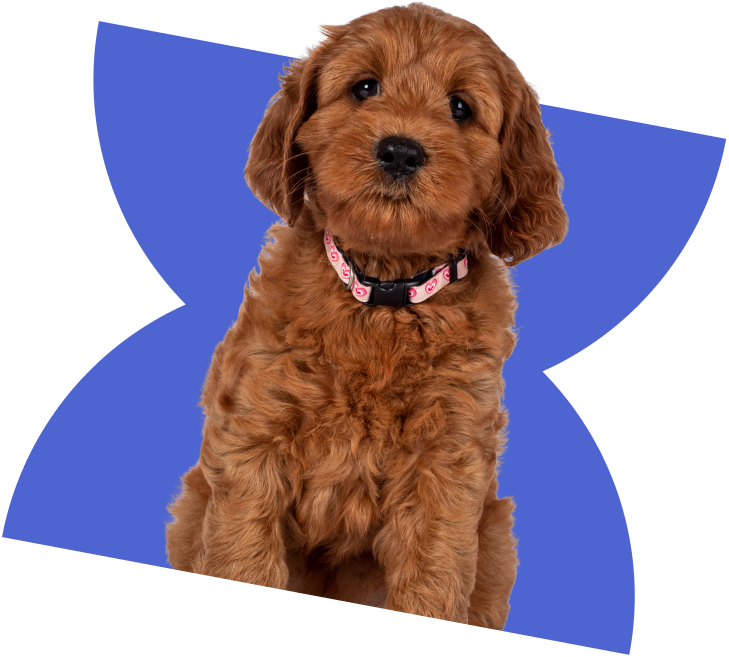
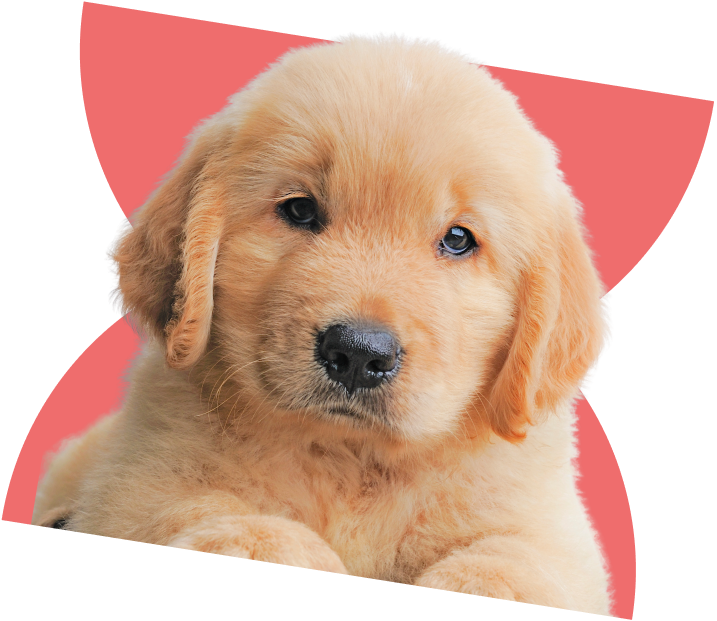
Your puppy’s first appointment covers vaccinations, health checks and helpful advice to start their life on the right paw.
Routine veterinary visits help detect problems early while keeping vaccinations, dental health and nutrition on track.
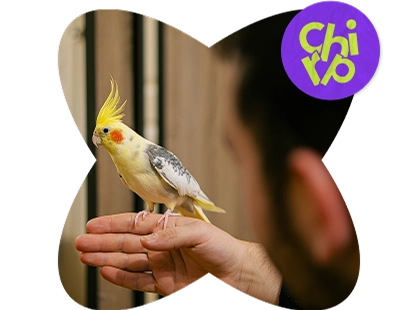
Birds and exotic pets have unique health needs that benefit from specialised veterinary care and preventative check-ups.
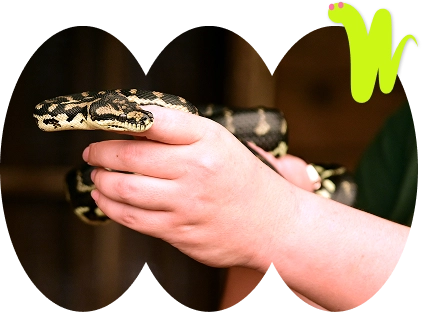
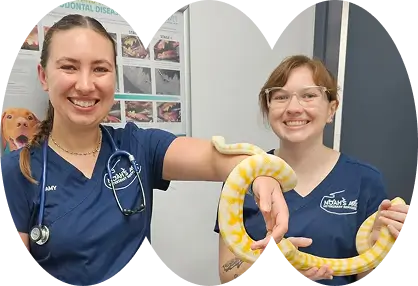
Pet snakes require specialised environments, careful feeding and gentle handling to stay healthy and settled throughout
their lives.
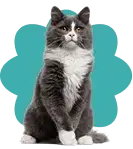
From kittens to seniors, every visit is tailored to your cat's comfort and stress levels.
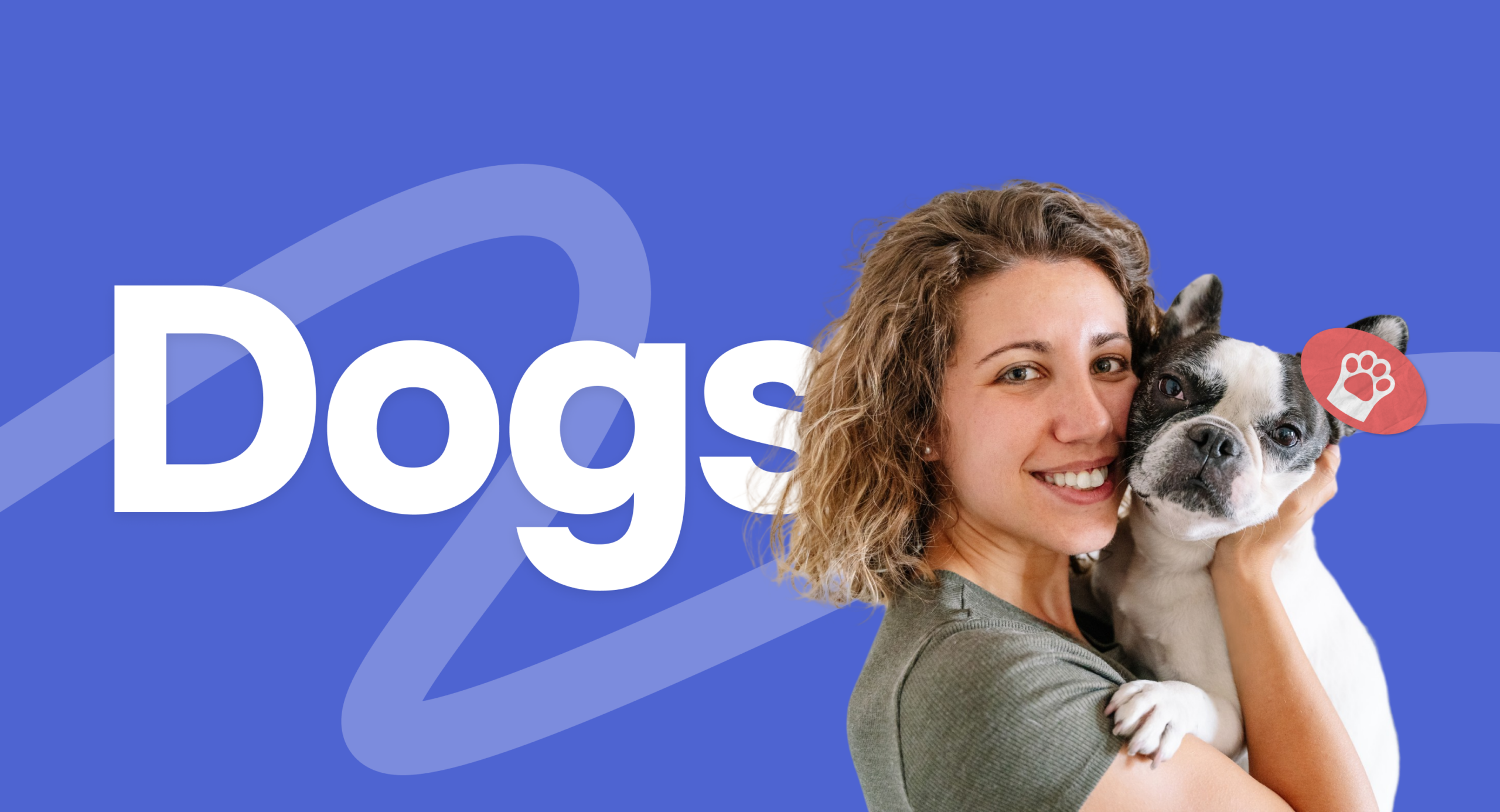
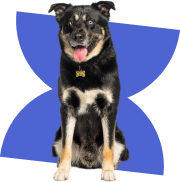
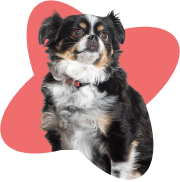
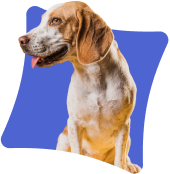
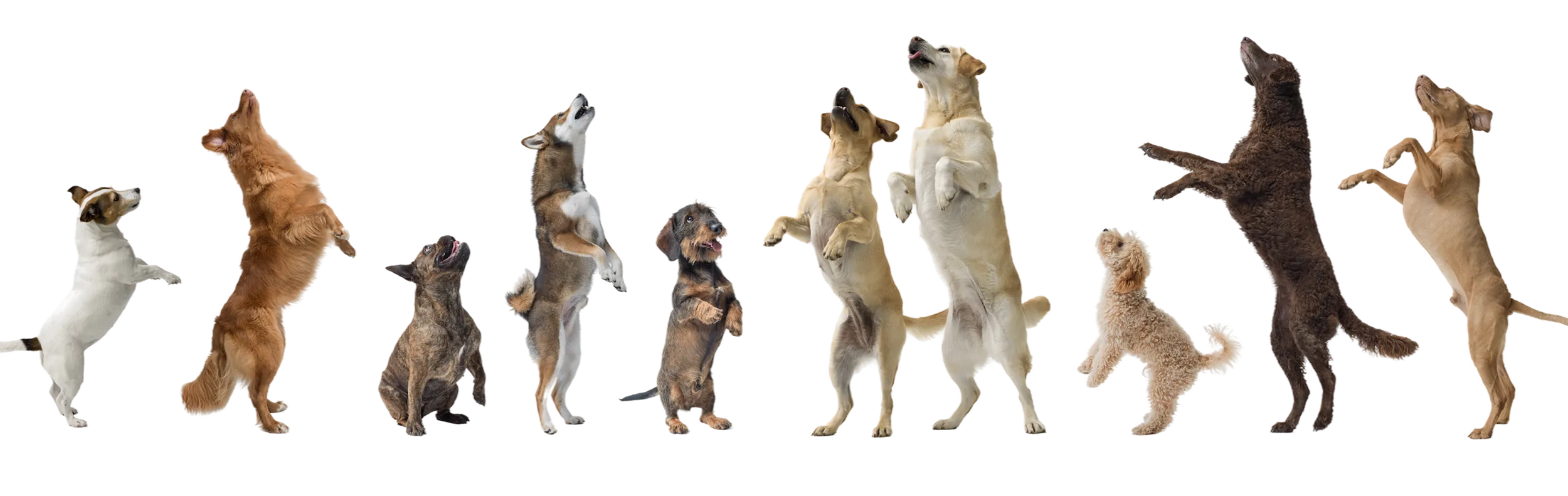
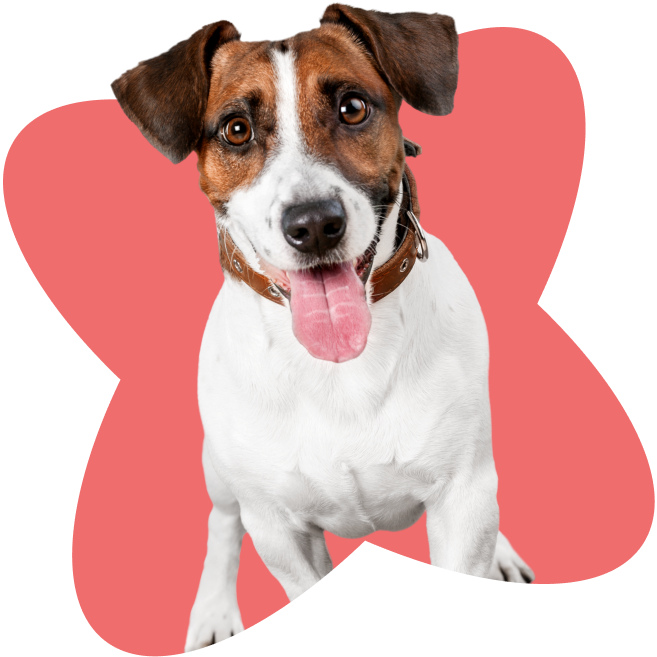
Wellness, prevention, surgery and everything in between for dogs of every age and breed.
Reptiles, amphibians, fish and birds all get genuine, experienced care from a team that loves the unusual.

Gentle, expert care for rabbits, guinea pigs, rats, mice and other small pets with big personalities.

Practical articles and tips from our team to help you keep a healthier, happier pet.

Meet the vets, nurses and support team who'll treat your pet like family.
Take a look behind the scenes at our Medowie Shopping Village practice.
FROM PUPPY BURSTS TO GREY MUZZLES
A dog’s life can run anywhere from ten to seventeen years depending on breed, packed with joy, chaos and the occasional sock theft.
This page covers the whole arc. What your puppy needs in the first six months, how the conversation shifts as your dog grows up, and what becomes important to keep an eye on as they age. We’ve been a local dog vet in Medowie since 2002, and we’re here for every chapter of your dog’s story.
BEFORE STAGE ONE
Some of the best chats we have happen before a puppy has even come home. Choosing the right breed for your household is a much bigger decision than it sounds. Energy levels, size, coat care, training needs and lifespan vary enormously, and a Cavoodle in a townhouse is a very different proposition to a Working Kelpie on acreage. Whether you’re leaning towards a rescue, a working breed or something in between, a quick local conversation often saves a lot of stress later. No pressure, no expectation. Just an honest chat about what fits.
THE BEST PART
Most vet pages are full of what dogs need from us. Here’s a quick reminder of what they give us back, because that’s really the whole point of any of this.
Every doorway gets a workout when you come home. They’re not just glad to see you, they’re physically incapable of containing it.
Rain, hail or shine, they’re up for the walk. And they know which direction Wednesday’s loop goes before you do.
Following you from room to room, bathroom included. No privacy is too sacred when you’re the favourite human.
That long, contented exhale when they finally flop down on your feet. The sound of a dog who has decided everything is right with the world.
Paws in the air, no defences, just please rub here. A dog who shows you their belly is telling you something important.
Full body wiggle when you’ve been gone three minutes. The greeting doesn’t scale with how long you were away, which is somehow the best part.
PUPPY TO SENIOR
Dogs change a lot between the puppy who can’t stop biting your shoelaces and the silver-faced friend curled up by the heater. The care that suits each stage looks quite different too. Here’s a snapshot of the milestones and conversations that come up along the way. Every dog is also their own creature, and breed size shifts the timeline earlier or later, so the best plan is always one built around your actual dog.
The first six months are non-stop. Toilet training, sock theft, mouthing your hand while you put your shoes on, and zoomies at all hours. Your puppy needs a full C5 vaccination course (three rounds), regular worming every two weeks until twelve weeks then monthly until six months, microchipping if not done at the breeder, and the start of a long nutrition conversation. It’s also the prime socialisation window, when the experiences they have shape how confident a dog they’ll grow into.
Around six months for smaller breeds and twelve months for larger ones is the typical window for desexing. We’ll talk through the right timing for your specific dog. It’s also when we shift to a three-monthly worming schedule, lock in year-round flea and tick prevention, and move to annual boosters with a full health check at each visit. Adolescent dogs can also push boundaries, so this is when behaviour questions sometimes creep in too.
The peak years. Annual health checks help us spot the small things before they become big things, especially weight creep, early dental disease and lifestyle changes. Most dogs are settled in their routine by now, so anything new (drinking more, sleeping more, going off food, sudden lameness) is always worth a phone call. If your dog is a large or giant breed, this stage is also when joint conversations often start.
Senior status arrives earlier for big dogs. From seven onwards for large breeds (or closer to nine for smaller ones), baseline bloods at every visit really start earning their keep. Every blood test at Noah’s Ark also includes SDMA, an early marker for kidney function that can pick up changes years before standard tests would show anything. The earlier we spot a shift, the more we can do about it. Dental disease, joint stiffness and behavioural changes also become more common around this stage.
Greyer muzzles, slower mornings and more deliberate stair use. Older dogs benefit from twice-yearly check-ups, regular bloods and a closer eye on joints, weight, heart and dental health. Home visits can be a gentler option if car travel is hard on them. This is also the stage where conversations about quality of life and end-of-life care sometimes come up. We’ll always have those gently and without pressure.
A snapshot of what a typical year of vet care looks like for the average dog (with a few breed-size caveats noted below).
C5 vaccinations Ă— 3
Microchipping
Fortnightly Worming
Nutrition Foundation
Desexing Planning
Vaccination booster
full health check
free dental check
Flea, tick and worming prevention matched to your dog
Baseline bloods at every visit
Twice-yearly check-ups, closer eye on joints, kidneys, heart and weight
THE REAL WHY BEHIND THE BASICS
Vaccinations, food, worming, check-ups. Most dog owners know the basics. What’s less talked about is the why behind it all, the small things quietly happening in the background, and how everyday choices stack up by the time your dog is ten or twelve. This is the section we wish every dog owner in Medowie would read, even the ones who’d never need to set foot in our clinic.
A dog who's still wagging their tail can still be sore. Limps that come and go, slowing down on walks, taking the stairs more carefully and a reluctance to jump on the couch are all worth investigating. By the time a dog is openly limping, they've usually been compensating for a while.
Chewing the doorframe when you leave, barking constantly, pacing, destroying things and peeing inside are often anxiety rather than bad behaviour. The fix is rarely a stricter rule. It usually involves understanding what's setting them off and supporting them through it, sometimes with medication, often with a structured behavioural plan.
Increased thirst can be one of the earliest signs of kidney disease, diabetes, Cushing's or a urinary problem. Most owners don't clock it because the change is gradual. If you've found yourself refilling the water bowl more often, mention it next time you're in.
Eastern browns, red-bellied blacks and tigers are active across Medowie, Raymond Terrace, Salt Ash, Nelson Bay and the wider Port Stephens bushland. Paralysis tick season peaks September through January but ticks can attach any month of the year. Early signs of tick paralysis include weak back legs, voice changes, vomiting or laboured breathing. Suspected snake bite or tick paralysis is always an immediate emergency call.
Deep-chested breeds (Great Danes, Weimaraners, Boxers, Standard Poodles, Labradors and similar) are at high risk of gastric dilatation-volvulus, where the stomach twists. Signs include unproductive retching, a swollen or hard belly, restlessness and pacing. This is a surgical emergency that can become life-threatening within hours. Drive in, but call us on the way.
Grapes, raisins, chocolate, xylitol (in sugar-free gum and some peanut butters), onions, garlic, macadamia nuts and certain plants are all toxic to dogs in small amounts. Cane toads are also a hazard for dogs who like to investigate the garden after rain. Call us before symptoms appear, not after.
Over-exercising a growing puppy, slippery floors, jumping on and off high furniture and the wrong stairs at the wrong age can all cause joint damage that doesn't show up until they're five or six. Less repetition, more variety, no forced running on hard surfaces until growth plates close. Large and giant breeds need this conversation earliest and most often.
An extra two kilograms on a fifteen-kilogram dog is the human equivalent of carrying around an extra ten kilos every day. Joint strain, higher diabetes risk, harder time recovering from surgery, and on average a shorter life. Most overweight dogs don't look overweight to their owners because the change happens so gradually. We'll always tell you straight where your dog sits on the scale, and we promise to do it kindly.
Around 80% of dogs develop dental disease by age three, and most show no obvious signs at all. Dogs will keep eating through significant tooth pain because the alternative is going hungry. What many owners don't realise is that the consequences aren't just oral. Bacteria from infected gums slip into the bloodstream and quietly tax the heart, kidneys and liver year after year. By the time the mouth is visibly bad, the rest of the body has often been working harder for a long time. Catching it early through regular dental checks is what changes the long-term picture, not the dental work itself.
SERVICES THAT SUPPORT YOUR DOG
Dog vet care in Medowie covers the full arc of a dog’s life: puppy vaccinations and desexing, annual check-ups, dental care, parasite prevention, surgery, and gentle wellness through to the senior years. If dogs came with an owner’s manual, this list would be the contents page, and each entry below links through to the full story.
The early foundations. Three puppy vaccinations followed by annual boosters, microchipping if not done at the breeder, and desexing at the right age for your dog. Breed size shifts the timing, and we’ll talk you through it.
Year-round flea and tick control is essential in the Medowie area. Paralysis ticks are a serious local risk, fleas thrive in the warmer months, and intestinal worms are easy to overlook. We’ll talk you through the options (monthly, three-monthly, annual) and pick what suits your dog’s lifestyle.
Diet directly affects long-term health. Nutrition advice is always tailored, never pushed. Our free dental checks catch hidden problems early, and full dental treatment under anaesthetic includes pre-anaesthetic bloods at no extra cost.
Annual health checks quietly do most of the heavy lifting of preventative care, with in-house pathology running SDMA on every blood test for early kidney detection. For deeper investigation, our digital X-ray and ultrasound help us see what’s happening on the inside.
When surgery is on the cards, most soft tissue, orthopaedic and cancer procedures happen on-site, with seamless referrals when a specialist is the right call. If your dog’s behaviour has changed (anxiety, aggression, destructive habits), our behavioural support starts with understanding the cause, not just the symptom.
Some visits are easier at home. Our home visit team handles routine care for dogs who find the clinic stressful. For emergencies during business hours, call us before you set off so we’re ready. And when the time eventually comes, our end-of-life care is unhurried, gentle and always on your terms.

At minimum, once a year for adults and twice a year for seniors. Beyond that, any time something feels off (energy, appetite, drinking, movement, behaviour, weight) is a fair reason to ring. Dogs are usually more obvious than cats about not being themselves, but they still mask plenty. Picking things up early tends to give us the most room to help.

Plenty of dogs feel the same way. The clinic smells unfamiliar, other dogs sometimes bark, and there's a queue of strangers wanting to touch them. We use high-value treats, take consults at their pace, and run them from low-stress rooms. For very anxious dogs we can dispense pre-visit medication to take the edge off, and home visits are also an option for some appointments. Small changes can make a real difference.

Yes. Dogs are good at looking fine while they're not, especially in middle age. An annual check-up catches early dental disease, weight changes, lumps you haven't felt, heart and joint shifts, and parasites in their early stages. Year-round flea, tick and worming prevention also matters because the local risks (especially paralysis ticks) can hit a healthy dog with no warning. The plan is always matched to your dog's actual lifestyle, not a generic checklist.

A wet nose actually helps your dog smell better. The thin layer of moisture captures and dissolves scent particles, which is part of how dogs pick up such tiny details in the air. (Side note: every dog's nose print is as unique as a human fingerprint.) A dry nose isn't automatically a problem though. Dogs' noses often dry out after a nap, after sitting near a heater or air conditioner, in older age, or on a hot dry day. What matters more than wet versus dry is the rest of the picture. A dry nose paired with lethargy, appetite loss, cracking or sores is worth a check. A dry nose on a perfectly happy dog is usually nothing at all.

There are a few theories, and probably no single one is the full answer. The tilt may help dogs locate where a sound is coming from, see your face more clearly (their muzzle blocks part of their field of view), or recognise a familiar word or tone. What we can say with confidence is that they're paying attention. A head tilt is the canine version of go on, I'm listening.

Probably not. Contagious yawning between dogs and humans has been studied a handful of times, and the current thinking is that it's a quiet marker of empathy and social bonding. Dogs tend to catch yawns from people they're closely attached to far more readily than from strangers. So if your dog yawns back at you, take it as a small compliment.

Usually full anal glands, which sit either side of the rectum and don't always empty on their own. Some dogs (especially smaller breeds) need them expressed periodically. It can also be itchy skin, worms or an irritation. If it's frequent, give us a call. It's an easy thing to sort and the relief for your dog is immediate.

Sometimes a quick fix, sometimes more. We'd always rather hear from you than have you wait it out at home. Sudden shifts in energy, appetite, water intake or movement are usually worth investigating, especially in older dogs. Limping that lasts more than 24 hours, rapid swelling, breathing difficulty, repeated vomiting or any suspected bloat should be treated as urgent. When in doubt, give us a ring.
Whether your dog is a chaotic puppy, a faithful walking buddy or a grey-muzzled friend slowing down, the team at Noah’s Ark would love to be part of their story. We’ve cared for dogs and the people who love them across Medowie, Raymond Terrace, Salt Ash, Nelson Bay and the wider Port Stephens region since 2002. From the very first puppy check through every chapter that follows, we’ll be right here. Get in touch any time, whether you want to book a visit, ask a question or simply chat through what your dog needs.